Early ACL Rehab: Extension, Swelling Control, and Quad Activation
In the early post-op phase (often the first 0–4 weeks), we keep your plan centered on three clinical goals. These priorities give you clear signals about how the knee is responding, and they guide day-to-day decisions on dosage, exercise selection, and progression. Use these three priorities to set the day’s dose, choose exercises, and decide whether you progress or repeat.
We use the 0–4 week window as a typical reference, and we progress based on criteria, surgical restrictions, graft type, and the knee’s response.
Designed for clinicians managing ACL cases: Physiotherapists, DPT/PTs, Athletic Trainers, Rehab Managers, Lead Clinicians, and Rehab Directors.
What you’ll get on this page:
-
A Phase 1 checklist for extension, swelling, and quad activation (early post-op; timing varies by case)
-
Practical clinic markers to track at each visit
-
A simple way to dose activity using the knee’s next-day response
-
Quick troubleshooting steps when extension, swelling, or quad activation stalls
What the downloadable guide adds:
The guide expands this topic into a full phase-based framework with criteria checkpoints, progression logic, and a clinician-friendly testing checklist you can apply in clinic.

GET THE ACL REHAB GUIDE
Includes a phase-based progression, criteria checkpoints, and a practical testing checklist for clinic use.
Learn More
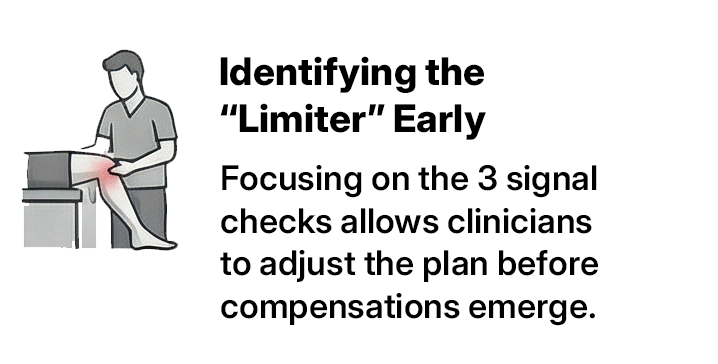
The 3 Phase 1 Criteria We Check Every Visit
-
Restore full knee extension
You’re aiming to restore the patient’s normal knee extension so it holds through the day and carries into walking and basic tasks. That target may include their usual hyperextension when it matches the uninvolved side and aligns with surgical guidance.
-
Settle swelling to a mild level
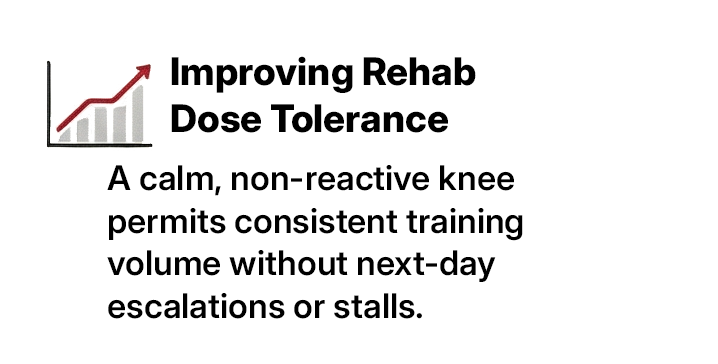
You want a calm knee with trace to mild effusion that tolerates daily activity and planned rehab without next-day escalation.
-
Re-establish quadriceps activation
You’re looking for a clean, confident contraction that supports terminal extension and improves movement quality.
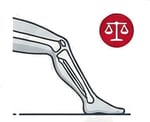
Priority 1: Restore Full Knee Extension
Full extension sets the baseline for early function. When you restore extension and keep it consistent, you support a more efficient gait pattern, improve comfort at rest, and reduce the likelihood of stiffness becoming the main limiter.
Our target is the patient’s normal extension. For some patients, that includes a small amount of hyperextension that matches the uninvolved knee. We stay within surgical guidance and the knee’s response as we restore that baseline. You’re looking for symmetry that holds across the day, carries into walking, and stays consistent after rehab sessions.
What we look for in clinic
-
Extension matches the uninvolved side in a relaxed position
-
Maintains extension after activity and exercise
-
Walking shows a comfortable, controlled terminal knee position
How we dose extension work
-
Keep exposures frequent and low threat
-
Re-check extension after sessions and later that day
-
If extension worsens, adjust the next session by reducing total load and returning to the last exposure that held steady
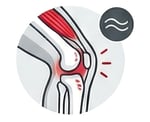
Priority 2: Settle Swelling to a Mild Level
Swelling changes how the knee moves and how the quadriceps performs. When swelling stays elevated, you often see slower extension gains, more stiffness, and less reliable activation. We use swelling as a practical signal for dosing rehab.
Your target in Phase 1 is simple: keep swelling trending down and sitting at a mild level. That gives you a steadier platform for daily activity, gait work, and early strengthening.
What we look for in clinic
-
Effusion sits at trace to mild and trends down across the week
-
The knee feels looser as the day goes on rather than tighter
-
Sessions result in the same or better knee “feel” later that day and the next day
How we dose activity using the knee’s response
-
Plan the day’s work, then check how the knee responds later the same day
-
Re-check the next morning for swelling and stiffness
-
Use the next-day response to guide progression: keep the dose when the knee stays steady, progress when the knee improves, and reduce volume when swelling increases
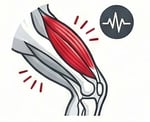
Priority 3: Re-Establish Quadriceps Activation
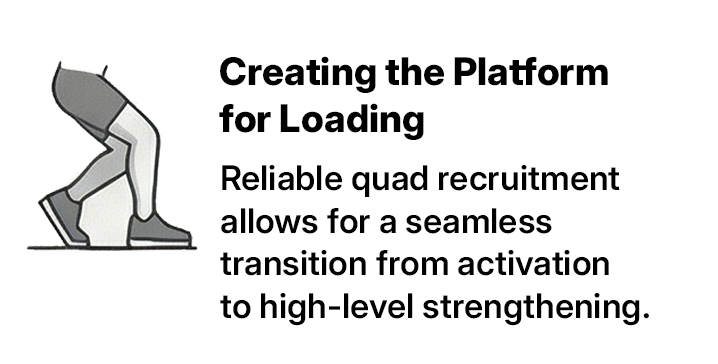
Quadriceps activation supports everything you’re trying to achieve in Phase 1. When the quad contracts cleanly, you usually see better terminal extension control, smoother walking mechanics, and more confidence loading the limb during basic tasks.
In the early weeks, contraction quality guides exercise choice. You’re building a quad you can recruit on demand.
What we look for in clinic
-
Producing a clear quad contraction without breath-holding or compensations
-
Terminal knee control improves during simple patterns like standing weight shifts and gait
-
Quad activation holds steady as fatigue builds across sets
How we build activation that carries over
-
Use frequent, short exposures to practice clean recruitment
-
Stop sets when the contraction quality drops
-
Pair activation with positions that reinforce extension, then progress toward tasks that load the limb in standing
When Progress Stalls: Quick Troubleshooting in Phase 1
In early rehab, stalls usually show up in one of three places: extension stops improving, swelling stops settling, or quad activation stays inconsistent. We get traction again by identifying the limiter and adjusting the next few sessions with a clear plan.
If extension stalls
-
Re-check extension at the start of every visit and again after the session
-
Increase the frequency of brief extension-focused exposures across the week
-
Keep walking quality in view and cue terminal knee control during gait
-
Reduce anything that leaves the knee tighter later that day or the next morning
If swelling stays above mild
-
Audit total daily volume first: steps, standing time, rehab volume, and time on feet
-
Keep your rehab dose consistent for several sessions and watch the next-day response
-
Progress by small increments when swelling trends down across the week
-
Prioritize recovery habits that help the knee calm between sessions
If the quadriceps won’t “show up”
-
Shorten sets and increase rest so you can keep contraction quality high
-
Add more frequent low-load activation work across the day
-
Pair activation with positions that support terminal extension
-
Progress toward simple standing tasks once you can recruit the quad reliably
Recap: Phase 1 in one checklist
In Weeks 0–4, we return to three checkpoints every visit:
-
Extension holds through the day
-
Swelling stays mild and trends down
-
Quad activation stays clean across sets
When these signals hold steady across sessions, you can progress volume and complexity with clear feedback from the knee. When one lags, adjust the dose and re-check the next-day response.
FAQs
How soon should you regain full knee extension after ACL reconstruction?
We work toward full extension early and we check it every visit. Your best signal is consistency: extension matches the uninvolved side, holds through the day, and stays steady after rehab sessions. If extension slips after activity, we adjust the next session’s dose and return to the last level that held.
How much swelling is normal after ACL surgery?
Some swelling is expected early. Our goal in Phase 1 is to have swelling settle to a mild level and trend down week to week. We use the knee’s next-day response to guide dosage. When swelling increases after a session, we reduce total volume and rebuild tolerance with smaller steps.
What does “mild” swelling mean in practical terms?
Mild swelling means the knee feels calm enough to move freely through your daily tasks and planned rehab work. You may still notice some fullness, and you should see a predictable pattern: the knee stays the same or feels better later that day and the next morning.
Why does swelling make it harder to activate the quadriceps?
Swelling changes how the knee feels and how your nervous system drives the muscle. Many athletes notice the quad feels “quiet” when the knee stays puffy or stiff. When we bring swelling down and restore extension, you usually see more reliable quad recruitment and better terminal control.
What can you do when the quadriceps won’t “fire” after ACL reconstruction?
We focus on contraction quality and frequency. Use short sets, take enough rest to keep the contraction clean, and repeat low-load activation exposures through the day. Pair activation with positions that support terminal extension, then progress toward simple standing tasks once you can recruit the quad on demand.
When should you progress exercises in the first 0–4 weeks?
We progress when the knee gives you steady signals: extension holds, swelling stays mild, and quad activation remains consistent across sets. When those signals stay stable over multiple sessions, we add small increases in volume or complexity and re-check the next-day response.
GET THE ACL REHAB GUIDE
This article covers the key principles. The downloadable guide includes a phase-by-phase progression, practical testing considerations, and return-to-sport readiness checkpoints you can apply in clinic.
Learn More
About the Author
 Manoj “Manny” Patel is a Consultant Chartered Physiotherapist for Keiser UK & Ireland and a Chartered Physiotherapist (MSc, BSc (Hons), DiP, MSCP, SRP). He has over two decades of experience across physiotherapy, health, and fitness, with clinical and performance experience spanning the NHS, military settings, sport, and private practice.
This article was adapted from Manny’s ACL Rehab practitioner guide.

© 2026 Keiser Corporation | 2470 S. Cherry Ave | Fresno CA 93706