Episode 24
Amanda Carlson-Phillips (Exos): Human Performance Innovation
Listen to the full podcast episode below, or listen on your favorite player.
Watch or listen on your favorite platforms







In this episode of the Keiser Human Performance Podcast, host Gabe sits down with Amanda, Chief Performance Innovation Officer at EXOS, to explore how human performance is evolving across sport, corporate wellness, and everyday life. With over two decades of experience, Amanda shares her journey from sports dietitian to leading innovation at one of the world’s top performance organizations.
The conversation dives into EXOS’s approach to performance, including data-driven coaching, women’s performance, the future of work, and team dynamics. Amanda also discusses how concepts like load management, recovery, and burnout translate from elite athletes to the workplace — offering valuable insights into optimizing performance in any environment.
00:00:00.080 --> 00:00:04.120
Amanda it's great to have you on the Keiser Human
Performance podcast thank you for being here
00:00:04.120 --> 00:00:09.600
with me today how are you I'm so good thanks for
having me Gabe I've been looking forward to this
00:00:09.600 --> 00:00:15.480
absolutely so I have to ask um I've come to learn
that you are somewhat of like a mountain biker is
00:00:15.480 --> 00:00:22.640
that right yes I I am a mountain biker sometimes
more sometimes more serious uh sometimes more for
00:00:22.640 --> 00:00:31.200
fun but yeah I I love mountain biking and uh
I try to do at least one race uh per year so
00:00:31.200 --> 00:00:37.840
um some that's that gets into like sometimes I'm
taking it more seriously oh wow so a midwesterner
00:00:37.840 --> 00:00:42.320
um you know born midwesterner but now you've
been in Arizona for 25 years all you missing the
00:00:42.320 --> 00:00:49.760
Midwest um I love the Midwest you know I grew up
in Indianapolis Indiana uh and you know still have
00:00:49.760 --> 00:00:55.960
family back in Indiana my mom's still back there
every time I go back I'm like man I'm like I miss
00:00:55.960 --> 00:01:02.040
this so much like I I wonder if I could live here
again but then I get back to Arizona and I love
00:01:02.040 --> 00:01:08.440
it too so yeah I'm always nostalgic I I always
love going back and it always is in my mind but
00:01:08.440 --> 00:01:14.880
you know Arizona is home got it maybe go back and
enjoy a St Elmo's H shrimp cocktail oh you know
00:01:14.880 --> 00:01:20.520
you have to I mean if you haven't had a a St Elmo
shrimp cocktail you haven't lived and if you've
00:01:20.520 --> 00:01:25.080
had one before you know exactly what I'm talking
about I'm not going to give too much detail
00:01:25.080 --> 00:01:30.560
because if you haven't and you go to Indie you get
that shrimp cocktail you dip it and you just put
00:01:30.560 --> 00:01:34.360
it in your mouth and then you'll know you've
lived I love it we're GNA have to schedule a
00:01:34.360 --> 00:01:38.960
second episode that we can just discuss maybe food
across the country so yes please yeah I mean I am
00:01:38.960 --> 00:01:43.880
a dietician you know by trade so you know whenever
you want to talk about the food like more than
00:01:43.880 --> 00:01:49.320
happy it's great um so Amanda you've been with
exos for over two decades now as you mentioned
00:01:49.320 --> 00:01:54.000
you've been in Arizona for quite some time uh
leading innovation in human performance can you
00:01:54.000 --> 00:01:59.840
start by sharing a bit about your journey and your
role as Chief performance Innovation officer there
00:02:00.440 --> 00:02:07.560
uh yeah so gosh it has just been an awesome 21
years at at EXOS so uh starting kind of way back
00:02:07.560 --> 00:02:13.600
at the beginning I did my undergrad in nutritional
science and you was looking for a place to go do
00:02:13.600 --> 00:02:20.800
a Ms that focused on Sports Nutrition at the time
which which really wasn't a thing um yet and but
00:02:20.800 --> 00:02:26.760
I found a great program at Florida State and was
on the track to do uh Sports Nutrition Masters
00:02:26.760 --> 00:02:33.600
finish all my rotations to become uh a sports
dietitian and along the way I found myself and
00:02:33.600 --> 00:02:39.320
one of my other uh you know friends at Florida
State carrying on it and doing another Masters
00:02:39.320 --> 00:02:44.960
in exercise physiology and like that was just the
best I loved it it just unlocked a whole another
00:02:44.960 --> 00:02:51.720
world um that I just I couldn't get enough of so
I ended up doing an internship uh on the strength
00:02:51.720 --> 00:02:57.600
and conditioning side I finished up the nutrition
and and finished up the xiz uh coursework and and
00:02:57.600 --> 00:03:02.680
landed myself at Athletes Performance to do a
strength and conditioning internship and in the
00:03:02.680 --> 00:03:08.680
midst of that you know toward the end mark ver
sangan was like wait you're you're a dietitian
00:03:08.680 --> 00:03:15.000
too I was like yes and so at that time it was
just the location in Arizona and uh I was super
00:03:15.000 --> 00:03:22.520
lucky to be able to to join them in 2003 as the
nutrition manager research coordinator uh but I
00:03:22.520 --> 00:03:26.840
was also you know taking athletes and training
groups I was doing a little bit of all of it
00:03:26.840 --> 00:03:33.760
so uh that's how it began and now know two decades
later it's just been you taking on different roles
00:03:33.760 --> 00:03:40.240
uh doing different things and uh now leading
Innovation for exos means you know how are we
00:03:40.240 --> 00:03:46.880
pioneering uh pioneering the industry-leading
solutions that exos is become known for and
00:03:46.880 --> 00:03:53.000
how do we continue to do that uh and it's it's an
incredible team with with awesome subject matter
00:03:53.000 --> 00:03:58.000
experts so all of our methodology leads from
Sports Science to Neuroscience to nutrition and
00:03:58.000 --> 00:04:04.640
training we have a research team that's taking on
really cool external projects um you know across
00:04:04.640 --> 00:04:10.640
different types of Industries we've got our coach
training team that is upskilling all of our you
00:04:10.640 --> 00:04:17.360
know almost 3,000 practitioners globally we've
got a team that is focused all on um performance
00:04:17.360 --> 00:04:23.400
design and works with our Tech Team like how
do you bring methodology uh to life within a
00:04:23.400 --> 00:04:29.080
a digital and a physical experience and then
lastly um a really fun Futures function that
00:04:29.080 --> 00:04:34.720
is you know really really thinking about gosh like
what's what's happening uh not just 1 to three but
00:04:34.720 --> 00:04:41.080
you know even 5 to seven years out in this world
of human performance so so cool so it sounds like
00:04:41.080 --> 00:04:47.640
right you have these multiple verticals within
Innovation right um and you have it seems like
00:04:47.640 --> 00:04:52.120
a lot of teams so my question for you is this
all house in Arizona is this across all of your
00:04:52.120 --> 00:04:57.520
facilities like how do you manage all of this
and where are these teams located yeah well I
00:04:57.520 --> 00:05:02.720
mean if you think about exos you know as a you
know as a business like exos is you know we're a
00:05:02.720 --> 00:05:09.280
coaching company and our our mission is to is to
help humans be ready for the moment that matters
00:05:09.280 --> 00:05:14.600
in work Sport and life so you know for from an
exos business perspective we have part of our
00:05:14.600 --> 00:05:20.800
business that is that is hyperfocused on Elite
athletes in sport and that's also inclusive of
00:05:20.800 --> 00:05:26.160
of military uh we've got a part of our business
that that focuses on education for industry
00:05:26.160 --> 00:05:30.640
practitioners but then the biggest part of our
business is actually in the in the corporate
00:05:30.640 --> 00:05:36.960
Wellness space so how are we helping employees
and corporations you know think about um load
00:05:36.960 --> 00:05:43.440
management like we do on the athlete side uh but
you know for their employees so you know that's
00:05:43.440 --> 00:05:48.920
the Innovation team is a a centralized function
so we you know have to think about all right you
00:05:48.920 --> 00:05:55.040
know what's really needed in sport what's really
needed in uh employer and and we know that humans
00:05:55.040 --> 00:05:59.960
are humans but you know their experiences
are are are slightly different because they
00:05:59.960 --> 00:06:06.000
they uh they play on different types of fields so
uh so that's so that's what the Innovation team
00:06:06.000 --> 00:06:10.920
you know that's how they have to think in multiple
Dimensions but yeah each of those functions some
00:06:10.920 --> 00:06:16.560
of us are here in Arizona you know there's a chunk
of us that are here but you know we've got our our
00:06:16.560 --> 00:06:23.360
SVP of methodology is based in Canada and um our
Neuroscience senior you know director is is based
00:06:23.360 --> 00:06:28.600
in Canada we've got some people in Philly we got
some people in Florida so I don't know although we
00:06:28.600 --> 00:06:35.760
have a you know a nice group here in Arizona
we're we're really a spread out diverse Team
00:06:35.760 --> 00:06:41.120
Awesome you mentioned having some research teams
and a lot of these different verticals being part
00:06:41.120 --> 00:06:48.360
of exos how much of the research that you're
doing and um attempt to innovate is you going
00:06:48.360 --> 00:06:53.720
out and looking at other organizations and what
they're you know what other organizations around
00:06:53.720 --> 00:06:57.160
the world are may be doing versus what you're
doing internally and how you can improve your
00:06:57.160 --> 00:07:02.280
own processes right like how much are you pulling
from other organizations into yours yeah I that's
00:07:02.280 --> 00:07:08.760
a great question and an interesting perspective
so like our it's kind of hard not to absorb from
00:07:08.760 --> 00:07:15.080
other organizations because we're working with so
many different organizations so it's like you know
00:07:15.080 --> 00:07:22.080
how can we not absorb uh what JP Morgan Chase is
doing and thinking about in the world of employee
00:07:22.080 --> 00:07:28.600
experience uh as a you know a leading Financial
firm or you know how can we how how can we not
00:07:28.600 --> 00:07:34.560
think about how Google's innovating and their
processes by the work we're doing with them um
00:07:34.560 --> 00:07:38.840
and then it's like our relationship with Keiser
like you guys are doing awesome things we've
00:07:38.840 --> 00:07:44.920
got relationships with with shift wve and other
really Progressive companies so I think you know
00:07:44.920 --> 00:07:49.880
there's not a strategic approach to how are we how
are we like getting out there and learning from
00:07:49.880 --> 00:07:56.800
others it's it's really organic in the work that
that we're doing um but we are really passionate
00:07:56.800 --> 00:08:03.240
about making sure that that the programming that
we're deploying or the experiences that we're
00:08:03.240 --> 00:08:10.560
bringing to life either in sport or you know in
the corporate world are efficacious and so like
00:08:10.560 --> 00:08:15.960
you know we are we are based in evidence we are
based in data we are based in science and then
00:08:15.960 --> 00:08:21.360
how do we bring to life that magical experience
so that's it is a core Focus for us yeah it's
00:08:21.360 --> 00:08:25.880
it's cool because you mentioned you know corporate
Wellness being such a big pillar so I imagine like
00:08:25.880 --> 00:08:31.800
you mentioned Google and and JP Morgan Chase
you have this exposure to other disciplines
00:08:31.800 --> 00:08:35.040
that maybe people who are in sport performance
I know you work with different populations but
00:08:35.040 --> 00:08:38.680
maybe people are in sport performance don't
always have access to so to be able to pull
00:08:38.680 --> 00:08:45.680
in from them ideologies processes systems makes
for like a really cool opportunity with refining
00:08:45.680 --> 00:08:51.120
your Wellness programs or or strength conditioning
or performance programs yeah we're we're learning
00:08:51.120 --> 00:08:57.560
all the time I mean and especially like like
you said you it doesn't it doesn't like appear
00:08:57.560 --> 00:09:03.840
that it would you'd translate that over but how
these companies like you said run their processes
00:09:03.840 --> 00:09:12.240
run their business think about um systems is is
so fascinating because you know we're you and I
00:09:12.240 --> 00:09:19.400
like we are passionate about helping humans become
better and and and so are companies and and and so
00:09:19.400 --> 00:09:27.440
are teams and so are leagues and so there is just
this incredible kind of merging between uh just
00:09:27.440 --> 00:09:32.960
the world out there helping uh humans be better
and it doesn't matter whether it's in work or
00:09:32.960 --> 00:09:39.560
sport or life there's there's things to learn from
all of it that that we get to apply so how often
00:09:39.560 --> 00:09:45.240
are you revisiting your systems and processes and
refining these is this an everyday thing um do you
00:09:45.240 --> 00:09:49.520
have certain points of the Year where you sit down
and bring everybody together and say hey here is
00:09:49.520 --> 00:09:54.920
what we found over the last few months or year
um and here are the changes we're going to make
00:09:54.920 --> 00:09:57.800
um it's a balance between like you don't want to
just be changing things just to change things you
00:09:57.800 --> 00:10:01.680
want to be intentional about it but also you're
constantly trying to evolve I suppose so just
00:10:01.680 --> 00:10:08.200
curious if you can expand on that yeah we um we
definitely have a process in place and I'd say
00:10:08.200 --> 00:10:14.640
you know that process is really solidified over
the last five years so you know about five years
00:10:14.640 --> 00:10:22.400
ago we we took a a really focused approach in in
making sure that that we were clearly articulating
00:10:22.400 --> 00:10:27.600
our model of human performance and that was
really important for our organization because
00:10:27.600 --> 00:10:34.120
it is so Broad and it is so diverse we have to
make sure that everyone in the organization can
00:10:34.120 --> 00:10:40.440
understand that foundational model understand the
nman clature around it understand how that drives
00:10:40.440 --> 00:10:47.120
the various experiences and so that's really what
started us on you know a more consistent approach
00:10:47.120 --> 00:10:54.640
to to how are we thinking about upgrading so we
started there and then you know about an A year
00:10:54.640 --> 00:11:01.720
later uh we started to really hone in on like
what should our in ation process look like and
00:11:01.720 --> 00:11:08.360
and we we decided we landed on this concept of of
innovation arcs because Innovation can get really
00:11:08.360 --> 00:11:14.400
Broad and like you can be changing or tinkering or
tweaking without you know tweaking things without
00:11:14.400 --> 00:11:21.040
any without it like mapping back to strategy so
these Innovation arcs uh helped us focus and so we
00:11:21.040 --> 00:11:25.840
chose those based on kind of where we thought the
industry was going where we saw different needs
00:11:25.840 --> 00:11:32.440
in our own business kind of what we were were
learning from um you know our our customers and
00:11:32.440 --> 00:11:38.160
you know just uh the industry at large and so we
landed on those and and that's been really helpful
00:11:38.160 --> 00:11:45.440
so all of our Innovation and how we're thinking
about evolving um has systematically been you
00:11:45.440 --> 00:11:51.560
know a part of of one of those arcs great I think
it's an appropriate time to maybe dive into each
00:11:51.560 --> 00:11:56.960
of them and and I guess we can have an overview
of the four that you mentioned and then from there
00:11:56.960 --> 00:12:01.440
we can kind of spend some time maybe in each one
and maybe hear about the value of each so I guess
00:12:01.440 --> 00:12:07.720
if you were to say okay here are four arcs which
you know what are those yeah so um the four arcs
00:12:07.720 --> 00:12:13.560
are you know again like slightly slightly Broad
and diverse but they have helped to Anchor us the
00:12:13.560 --> 00:12:20.200
first one is is data driven coaching so this is
like you know really thinking about how we utilize
00:12:20.200 --> 00:12:27.520
data um to transform the coaching experience
create motivation uh and you know truly kind
00:12:27.520 --> 00:12:34.520
of Monitor and then you know close that coaching
Loop uh to help individuals continue to progress
00:12:34.520 --> 00:12:40.880
so datadriven coaching is the first Arc uh the
second Arc is all around women and so again you
00:12:40.880 --> 00:12:47.280
know we decided on these arcs uh about four years
ago and you can see just like you know women's
00:12:47.280 --> 00:12:54.360
performance has grown significantly so uh I'm so
glad we were we were committed to that early on so
00:12:54.360 --> 00:13:00.760
it is you know a combination of research and and
protocols and programming all around how to to
00:13:00.760 --> 00:13:05.960
help women optimize their performance throughout
uh the menstrual cycle and throughout their life
00:13:05.960 --> 00:13:12.960
cycle so including per menopausal uh transition
type of work that's been super transformative uh
00:13:12.960 --> 00:13:20.720
we the third Arc is around the future of work and
so again like we're working with 154 companies and
00:13:20.720 --> 00:13:26.680
and helping them think about like what what
does the future of employee performance and
00:13:26.680 --> 00:13:32.280
productivity look like and so that was all kind
of you know layered into this this future of
00:13:32.280 --> 00:13:38.120
work Arc and we did a lot of work around you know
developing Flow State a lot of work around Team
00:13:38.120 --> 00:13:45.560
Dynamics and you know how that impacts employee
individual and organizational performance uh so
00:13:45.560 --> 00:13:51.920
a lot of really cool work in there that's like I
said trans translated into now like this concept
00:13:51.920 --> 00:13:58.520
of load management and um then our fourth guy our
fourth uh Innovation Arc is all around the power
00:13:58.520 --> 00:14:07.560
of team and this Arc was inspired actually by our
sport business and so when we train athletes for
00:14:07.560 --> 00:14:12.600
the combine um they're they're actually there
right now in Indianapolis back in the hometown
00:14:12.600 --> 00:14:18.800
eating some shrimp cocktail at St Elmo's uh
hopefully not before they run the 40 but um
00:14:18.800 --> 00:14:25.240
that is it the power of teams was inspired by our
our training of combined athletes we always train
00:14:25.240 --> 00:14:31.240
athletes in groups and so there was something
magical that happen in the combine training
00:14:31.240 --> 00:14:37.240
as these as these incredible athletes come from
different teams and they're all vying for their
00:14:37.240 --> 00:14:44.640
position in the NFL draft but they come together
and they create their own team as their as their
00:14:44.640 --> 00:14:50.840
training together for this event so um we started
to do tons of work on teen Dynamics and and how
00:14:50.840 --> 00:14:56.320
that could translate into other environments so
those are the four you know bodies of work that
00:14:56.320 --> 00:15:00.640
we've been innovating around that's great thank
you thank you for breaking that down I appreciate
00:15:00.640 --> 00:15:06.600
it it's so cool um we can dive into each one and
we will I'm thinking about which order to go and I
00:15:06.600 --> 00:15:13.200
actually kind of want to start with future of work
um because it's a little more applicable right now
00:15:13.200 --> 00:15:17.280
with people starting to return back to office and
I know you do a lot of work in corporate Wellness
00:15:17.280 --> 00:15:23.760
so I'm actually curious to know what it was like
when employees were kind of sent home and required
00:15:23.760 --> 00:15:29.160
to stay at home how you innovated and evolved
during that time to continue to be a resource
00:15:29.160 --> 00:15:32.680
I'm just curious to hear about that because
you started all these arcs it sounded like you
00:15:32.680 --> 00:15:37.120
said four to five years ago yep so I'm kind of
interested to hear like what that was like with
00:15:37.120 --> 00:15:41.280
people being back home and how you can continue to
be you know supportive and provide resources and
00:15:41.280 --> 00:15:44.680
then now we're seeing this maybe this like slow
transition back into work and maybe how you're
00:15:44.680 --> 00:15:51.600
thinking about all that yeah it was that's the
the exact timing so you know we were developing we
00:15:51.600 --> 00:15:59.360
took that time um to really start to think about
well how do we develop programming that is that
00:15:59.360 --> 00:16:05.800
is you're just out you know it it it's opening the
aperture it's outside of the traditional training
00:16:05.800 --> 00:16:10.600
moment that we were you know really known for
and you know what we were predominantly doing
00:16:10.600 --> 00:16:16.680
in that business like managing the performance
centers or the fitness centers really executing
00:16:16.680 --> 00:16:22.000
that programming and and at that point we we had
we were forced to really think about well what
00:16:22.000 --> 00:16:28.200
else could we do and um we were actually starting
to like study the effects of burnout and we were
00:16:28.200 --> 00:16:38.040
recognizing the impact of burnout before Co even
hit and like that just it it that timing made for
00:16:38.040 --> 00:16:45.440
a really incredible opportunity to just accelerate
that work so um we we uh hired our senior director
00:16:45.440 --> 00:16:51.200
of Neuroscience we invested in some resourcing
around performance psychology and we really
00:16:51.200 --> 00:16:56.560
started to think about well how would we program
in the corporate space to help individuals teams
00:16:56.560 --> 00:17:03.800
and organizations really think about simplifying
performance above the neck and so that you know
00:17:03.800 --> 00:17:10.480
led into you know different types of uh workshops
and experiences that are all around you know
00:17:10.480 --> 00:17:15.280
recovery and individual recovery and group
recovery and what that means to Performance
00:17:15.280 --> 00:17:22.120
in the workplace uh creating psychological safety
and belonging what does that mean in the workplace
00:17:22.120 --> 00:17:28.000
um you know then thinking about you know how do
you how do you really create an environment for
00:17:28.000 --> 00:17:35.080
Flow State and uh what does that mean and how do
you bring that to life so uh that is it was the
00:17:35.080 --> 00:17:41.120
perfect time for us and it gave us the space to
really think about bringing that programming to
00:17:41.120 --> 00:17:48.200
life and and we just you know continue to iterate
and uh we did some studies with Hoffer University
00:17:48.200 --> 00:17:54.040
we did uh a study with the Wharton School of
Business and Adam Grant and we just continued
00:17:54.040 --> 00:18:01.760
to learn and have ultimately landed on you know
how we can help organization s really think about
00:18:01.760 --> 00:18:07.520
um the concepts of load management because that's
what burnout is it's The Chronic mismanagement of
00:18:07.520 --> 00:18:12.600
job demands and job resources just like with an
athlete it's The Chronic mismanagement of load
00:18:12.600 --> 00:18:17.920
and um so it's allowed us to now be you know
having those conversations with this different
00:18:17.920 --> 00:18:24.120
perspective with these different solutions and
you know connecting the brain and the body uh
00:18:24.120 --> 00:18:31.480
more meaningfully to help employees and orgs uh
think about human performance of of you know the
00:18:31.480 --> 00:18:36.000
next chapter that's terrific that's really
awesome and to hear the research that you're
00:18:36.000 --> 00:18:40.560
doing with these other organization organizations
excuse me leveraging relationships with them is
00:18:40.560 --> 00:18:47.560
really awesome so as you think about how you can
help others externally are you also then looking
00:18:47.560 --> 00:18:51.760
back at your own environment and be like hm like
I think there are some things we can maybe change
00:18:51.760 --> 00:18:57.760
here too oh my gosh absolutely and that's and that
was the that was the intention of the work that we
00:18:57.760 --> 00:19:03.200
did with Grant in the waren School of Business
why like we did a deep dive looking at our own
00:19:03.200 --> 00:19:10.880
culture and so you know we we launched an entire
new way of working we completely transformed the
00:19:10.880 --> 00:19:17.640
way that we work thinking about taking on um a
more like I said Pro recovery approach and so
00:19:17.640 --> 00:19:23.240
we look at we looked at um you know the concepts
autonomy within our workday we changed our like
00:19:23.240 --> 00:19:28.240
our meeting times like in making sure that we
were incorporating the right levels of break so
00:19:28.240 --> 00:19:34.200
50es minute meetings 10minute intentional break
after any meetings that are you know longer than
00:19:34.200 --> 00:19:40.720
90 minutes require at least 20 minute break and
so we started to really think about how you set
00:19:40.720 --> 00:19:46.800
the calendars of all of us that are working uh to
make sure that there's that appropriate recovery
00:19:46.800 --> 00:19:54.440
built in um you know we have now a UD do you
Friday which is uh you know some people utilize
00:19:54.440 --> 00:20:00.040
that for full recovery some people are utilizing
that to to catch up on other type work but it's
00:20:00.040 --> 00:20:07.960
really embracing um that level of autonomy so uh
that was it was really enlightening in so many
00:20:07.960 --> 00:20:15.160
different ways and you know our own or company's
burnouts level levels went way down um our our
00:20:15.160 --> 00:20:20.480
entire company was learning how to create the
environment to do more focused work and uh their
00:20:20.480 --> 00:20:25.520
abilities and beliefs that they could do that also
increased significantly and you know they just
00:20:25.520 --> 00:20:30.720
felt like they were more engaged they felt more
productive and uh you know we continued to measure
00:20:30.720 --> 00:20:35.880
our business metrics and and those were improving
and uh yeah so there was a lot of goodness that
00:20:35.880 --> 00:20:40.600
came out of that but you're absolutely right
like we we had to point it on ourselves um to
00:20:40.600 --> 00:20:48.680
make sure that uh one it was you these these
these theories hold up but two I mean if we're
00:20:48.680 --> 00:20:54.240
a human performance company we have to we have
to continue to evolve and see how you actually
00:20:54.240 --> 00:20:58.600
make that come to life yeah that's awesome
so tell me more about this UD do you Friday
00:21:00.000 --> 00:21:07.520
yeah I mean it's um it's a some people will call
it like the 4day work week but uh but we we didn't
00:21:07.520 --> 00:21:13.160
want to call it that we really wanted to Brand it
you do you Friday and so everything and so all of
00:21:13.160 --> 00:21:19.280
that what I just talked about is Incorporated
in our um our Readiness culture code and that
00:21:19.280 --> 00:21:25.600
UD do you Friday again like we don't schedule
meetings internally we don't schedule meetings
00:21:25.600 --> 00:21:32.320
on Fridays unless you have to um we we really
respect individuals autonomy to be able to to
00:21:32.320 --> 00:21:38.800
do the work that they need to do uninterrupted or
take the recovery that they need uninterrupted so
00:21:38.800 --> 00:21:45.080
that's the intention of the Udu Friday now I mean
the reality is is things come up right sometimes
00:21:45.080 --> 00:21:49.560
they're traveling there's a client meeting uh you
know there's something urgent that we have to work
00:21:49.560 --> 00:21:55.560
on but that used to be the norm now that's the
exception and I think that's like the important
00:21:55.560 --> 00:22:02.520
distinction and in our employee base is is more
covered more engaged and uh more productive as a
00:22:02.520 --> 00:22:09.880
result that's awesome yeah I think we had we
had a Keiser education series uh episode we
00:22:09.880 --> 00:22:15.200
had from Vault Dan Giuliani and he I think he
also adopted a 4-day work week called it Flex
00:22:15.200 --> 00:22:22.040
Fridays yeah um and said you know the feedback
from his employees was awesome production levels
00:22:22.040 --> 00:22:27.120
went way up um which is also cool to hear you
know yeah and the majority of the the majority
00:22:27.120 --> 00:22:33.760
of the team is is doing doing some type of of of
work you know on that Friday but but it takes on
00:22:33.760 --> 00:22:39.320
a different connotation so again the intention
behind it was like how do you how do you really
00:22:39.320 --> 00:22:45.840
um Embrace autonomy flexibility and Recovery
knowing that those are three critical things to
00:22:45.840 --> 00:22:54.040
to solving the burnout equation and yeah so that's
a a a you do you Friday that's tomorrow way yeah
00:22:54.040 --> 00:23:01.200
yeah so question for you um when it comes to okay
uh you finish this research with Wharton you're
00:23:01.200 --> 00:23:07.120
ready to implement this um is it direct messaging
then like how do you filter down this messaging of
00:23:07.120 --> 00:23:11.640
hey this is what we'll be adopting moving forward
is it just an easy message is it something that
00:23:11.640 --> 00:23:16.880
you slowly tried to change over time or is it
like hey you know how do you translate what you
00:23:16.880 --> 00:23:24.960
found into practice Yeah so we we with Wharton um
it's a bit of it was a bit of a different order
00:23:24.960 --> 00:23:30.120
and so we had like the thought process on the
Intervention which was the is culture code and so
00:23:30.120 --> 00:23:35.400
in all of those different elements um and then we
studied it with Wharton and then you know we start
00:23:35.400 --> 00:23:41.800
to extract various components or you know double
down on certain things that we really see are are
00:23:41.800 --> 00:23:50.160
creating an impact um but when you're rolling out
uh something of that scale especially in a in the
00:23:50.160 --> 00:23:57.480
corporate world what we learned most is that it
has to start at the top like this cannot be just
00:23:57.480 --> 00:24:03.280
something that you talk about doing or you talk
about implementing like you need senior leaders
00:24:03.280 --> 00:24:10.640
to be committed to showing up and embracing uh
this new way of working and that's the most that
00:24:10.640 --> 00:24:16.880
is the most critical piece then because they're
modeling we're modeling what what is important to
00:24:16.880 --> 00:24:22.440
us and how we value different uh components
then we you know we called it the code for
00:24:22.440 --> 00:24:28.560
reason because uh there's something about a code
it's a code of trust like it's just the way that
00:24:28.560 --> 00:24:34.960
we the way that we operate and so that that just
distinction of a word was really important because
00:24:34.960 --> 00:24:41.640
now this is like how we respect each other and how
we operate as a team um and then making sure that
00:24:41.640 --> 00:24:48.000
you know we all have resources and and uh the
tools and tactics available so that's important
00:24:48.000 --> 00:24:54.240
for any type of broad-based roll out within a
corporation but we found some things uh from
00:24:54.240 --> 00:25:00.760
that from that study with Wharton that uh were not
I I would say they weren't shocking but they they
00:25:00.760 --> 00:25:06.480
created a different perspective on how we talk
about some of these drivers of human performance
00:25:06.480 --> 00:25:12.920
and how they're relevant in the workplace so we
found really strong correlations I know these are
00:25:12.920 --> 00:25:18.200
human performance people on the that are listening
so it's not shocking but it is shocking in this
00:25:18.200 --> 00:25:25.160
space and so uh you if you are properly fueled
if you can tap into Flow State more uh if you
00:25:25.160 --> 00:25:32.360
feel like you have better cardiovascular fitness
uh if you are waking in the morning feeling rested
00:25:32.360 --> 00:25:39.520
what we found in the study with Wharton is each of
those are significantly correlated to productivity
00:25:39.520 --> 00:25:46.560
at work uh to you know feeling engaged at work to
elements of belonging at work and then you know
00:25:46.560 --> 00:25:51.640
clearly you know parts of burnout but it helped
us cross the chasm between hey we're going to
00:25:51.640 --> 00:25:56.560
help humans be better but actually we're going to
help humans be better in the work that they have
00:25:56.560 --> 00:26:03.040
to do at work and I think that's like the future
of human performance in the workplace is you can
00:26:03.040 --> 00:26:09.160
see it translate in sport it's like is the athlete
running faster is the athlete catching more passes
00:26:09.160 --> 00:26:15.840
is the athlete you know able to run the route um
more effectively you you can see that start to
00:26:15.840 --> 00:26:21.800
translate now um in parallel in the corporate
space awesome thanks for diving into that one
00:26:21.800 --> 00:26:28.360
that was great um I think the next one I want to
Target now is high performing women in sport uh in
00:26:28.360 --> 00:26:33.280
work and in life you mentioned that you felt that
you were pretty early to this especially 5 years
00:26:33.280 --> 00:26:40.400
ago we've seen a rapid you know uh increase in
viewership and and coverage in women's Athletics
00:26:40.400 --> 00:26:44.760
um and you also mentioned some of the work that
you're doing with postmenopausal as well earlier
00:26:44.760 --> 00:26:51.160
on which I know is is an important piece right
now of performance as well as I mentioned to
00:26:51.160 --> 00:26:56.040
you off air I did an episode recently with P van
Galen she's really passionate in that area as well
00:26:56.040 --> 00:27:03.880
so tell me a little about uh a little bit about
this Arc yeah so um again we you know we we just
00:27:03.880 --> 00:27:10.280
saw this as a huge opportunity we felt socially
and emotionally connected to the need um you know
00:27:10.280 --> 00:27:19.920
four or five years ago and uh and and we were just
excited to to Really dive into the work and um and
00:27:19.920 --> 00:27:27.880
part of that is just like changing changing the
uh cultural norms and the cultural expectations
00:27:27.880 --> 00:27:33.400
and I I think that's one of the biggest changes
uh that's happened and I remember sitting in
00:27:33.400 --> 00:27:39.480
a room you know with the team and saying hey
like as a part of this like we want you know
00:27:39.480 --> 00:27:45.760
women and coaches and you know coaches of women
no matter what their gender is to understand the
00:27:45.760 --> 00:27:51.640
menstrual cycle to understand the phases to you
know what is the relationship like between kind
00:27:51.640 --> 00:27:58.120
of male female coaches and and how can we break
down uh some of those uh insecurities around
00:27:58.720 --> 00:28:03.560
understanding and and and learning and and
acknowledging the menstrual cycle and the phases
00:28:03.560 --> 00:28:09.720
and how that translate translates into training
so um that just normalization of the conversation
00:28:09.720 --> 00:28:15.800
is one of the things I am just so excited about
and it's uh you know talking about cycle talking
00:28:15.800 --> 00:28:23.560
about Perry menopause is no longer nearly if
at all taboo as it was as it was five years ago
00:28:23.560 --> 00:28:30.400
so anyways um we just we were on a mission to to
really bring uh even more of this personalization
00:28:30.400 --> 00:28:37.600
to life for uh you know women or individuals with
female physiology so um we had one of my you know
00:28:37.600 --> 00:28:43.240
great friends colleagues Dr Stacy Sims she's
on our performance Advisory board so um Stacy
00:28:43.240 --> 00:28:49.840
was Consulting with us at the beginning uh we
created our we call them ovs uh with these new
00:28:49.840 --> 00:28:55.760
kind of tracks so an exos point of view we created
a broad-based kind of review of the literature and
00:28:55.760 --> 00:29:02.560
where we wanted to to point different Solutions
and then we started to test learn and apply so uh
00:29:02.560 --> 00:29:08.920
we did you know our first pilot of of training
women based on on cycle taking in uh you know
00:29:08.920 --> 00:29:15.440
Aura data recovery data you know HRV data and and
and really learning about you know how we would
00:29:15.440 --> 00:29:23.360
deploy that based on um you know follicular or uh
ludal Cycles so that was really cool um we started
00:29:23.360 --> 00:29:30.200
to build education so you can find that education
now from exos and and how you you know can better
00:29:30.200 --> 00:29:36.880
support you know High performing women across the
cycle so both in uh you know just uh through the
00:29:36.880 --> 00:29:42.200
menstrual cycle but then into par menopause so
we created education for practitioners like um
00:29:42.200 --> 00:29:46.600
Michaela floss has been out there with Bridge
athletic and presenting and you know different
00:29:46.600 --> 00:29:52.560
types of scenarios so out there really just
sharing the education um one of our partners
00:29:52.560 --> 00:29:58.880
UFOs so we did a uh a women specific training
event that was covered that was sponsored by
00:29:58.880 --> 00:30:03.640
UFOs and that was brought to life in the media
that was really awesome to start to tell that
00:30:03.640 --> 00:30:11.160
story and then lastly um we you know this is this
is something in the workplace that is also really
00:30:11.160 --> 00:30:18.920
important and you know how do we start to kind of
uncover and and showcase that that that women are
00:30:18.920 --> 00:30:24.720
uh don't have access to these types of resources
or understanding how cycle impacts physiology and
00:30:24.720 --> 00:30:30.280
how they can show up at work and how they might
want to adjust the way they fuel or the way they
00:30:30.280 --> 00:30:37.400
train or the way they you know incorporate breath
work or cold uh as a part of optimizing their
00:30:37.400 --> 00:30:44.000
Performance Based on cycle so uh we have a paper
under review right now uh so hopefully you know
00:30:44.000 --> 00:30:49.520
at a later date we can share more but it's talking
about those gaps and what women in the workplace
00:30:49.520 --> 00:30:55.320
really understand and have access to and so yeah
so I mean it was really it's been kind of you know
00:30:55.320 --> 00:31:01.040
all-encompassing but you know as you look at our
experiences today we're just we're refining and
00:31:01.040 --> 00:31:07.360
relaunching how we train women in our institutes
we've got incredible content around um optimizing
00:31:07.360 --> 00:31:13.640
performance to the menstrual cycle in our exos app
that's available to all of our um companies that
00:31:13.640 --> 00:31:19.680
in that are in the corporate Wellness sector so
you start to see uh this content and experience
00:31:19.680 --> 00:31:24.960
coming to life it's awesome it's so exciting too
especially the the research paper that's pending
00:31:24.960 --> 00:31:31.200
which is really cool but that sounds great and
um I'm curious you mentioned education online
00:31:31.200 --> 00:31:34.560
or resources that are available for anyone
who's listening right now being like I want
00:31:34.560 --> 00:31:38.680
to learn more about this and we're can I go find
this where's a good place for them to maybe find
00:31:38.680 --> 00:31:43.880
that education yeah so you can you know you
can find it on the the the teamexos homepage
00:31:43.880 --> 00:31:49.760
and you know there's the education uh just you
it's within the education aspect of our of our
00:31:49.760 --> 00:31:56.280
site so yeah you can go in there and and take the
course and it it's uh it's awesome so yeah that's
00:31:56.280 --> 00:32:01.520
that's great thank you and you talked about maybe
uh normalizing this with your own staff and your
00:32:01.520 --> 00:32:07.240
own coaches so can you tell me a little about
the roll out of Education was it like sessions
00:32:07.240 --> 00:32:14.400
workshops um how did you roll out these findings
or or uh this education to your own staff right
00:32:14.400 --> 00:32:21.480
so then they can now work with female athletes or
female clients you know um in in a better way more
00:32:21.480 --> 00:32:26.840
efficient way and and do that aspect of their job
better with that population yeah so we actually
00:32:26.840 --> 00:32:31.960
leverage the same UC ation that's available to you
know practitioners outside that's that's really
00:32:31.960 --> 00:32:36.440
fun part too about exos you know a lot of what
we're you know developing for externally we're
00:32:36.440 --> 00:32:43.040
also utilizing internally and so you know step one
for for our coaches was you making sure that that
00:32:43.040 --> 00:32:48.880
they're engaging with that content because that's
setting the true foundation of understanding those
00:32:48.880 --> 00:32:54.960
components uh then from there you know we
we're standardizing what the experience is
00:32:54.960 --> 00:32:59.400
so you know what are the different assessment
pieces how are are we programming differently
00:32:59.400 --> 00:33:04.400
what are the you know what are the ways that
we incorporate this into the conversation so
00:33:04.400 --> 00:33:09.880
that's the next level of of training that gets
dripped and rolled out as we launch those new
00:33:09.880 --> 00:33:16.040
experiences so uh that's what's coming up
next very cool so as you look at this and
00:33:16.040 --> 00:33:20.480
you evaluate where you were 5 years ago where you
are now but then also thinking a little bit about
00:33:20.480 --> 00:33:27.920
where this is headed to you where is this Arc and
where is this Innovation Arc headed yeah so um
00:33:27.920 --> 00:33:33.800
for us and then I'll start with us and then kind
of where I think this this is going in the future
00:33:33.800 --> 00:33:40.400
um for us this year like across all of our arcs
like we've invested in these four arcs and for us
00:33:40.400 --> 00:33:45.640
this year it's we're really stepping on the gas
and putting pressure on ourselves to bring them
00:33:45.640 --> 00:33:51.520
to life like get the research out of the paper and
get it into the experiences and so by the end of
00:33:51.520 --> 00:33:57.720
this year you'll start to really feel even more of
that so every female athlete that's coming through
00:33:58.240 --> 00:34:04.720
our um you know our sport experiences will
be engaged in kind of that evolution of exos
00:34:04.720 --> 00:34:10.720
uh you know everybody in the app will be able to
you know engage in that content and have coaches
00:34:10.720 --> 00:34:15.480
that are able to point them to different types of
content and have that experience so that's what
00:34:15.480 --> 00:34:21.040
we're committed to this year is going from like
the science into hey like we're really programming
00:34:21.040 --> 00:34:28.440
this into the way that we operate um so I think
you know the future the future of of this then
00:34:28.440 --> 00:34:35.320
is you know how does this become this knowledge
become ubiquitous you know across anyone who is
00:34:35.320 --> 00:34:41.080
who is working with with female athletes but then
also for the athletes themselves so you know I
00:34:41.080 --> 00:34:47.120
think about it in in in two ways it's that's been
the other really interesting thing is how much how
00:34:47.120 --> 00:34:52.840
much women don't even fully understand their cycle
like and and what the implications are in certain
00:34:52.840 --> 00:34:59.360
phases of the cycle to recovery and impact to
sleep Etc so I think the future of this Arc
00:34:59.360 --> 00:35:05.920
is really continuing to accelerate uh the amount
of understanding that women have about their own
00:35:05.920 --> 00:35:11.680
physiology and that those that are coaching them
really understand and and then then that starts
00:35:11.680 --> 00:35:19.760
to completely transform um and it almost becomes
like a it's such a base knowledge it's it's not a
00:35:19.760 --> 00:35:24.200
new thing anymore it's just like well of course
we would think of it like that so that's what I
00:35:24.200 --> 00:35:28.440
think the future is very cool one thing that you
said that stood out to me that I really really
00:35:28.440 --> 00:35:33.440
liked it said get it out of the paper and into
experience I thought that was really great yeah I
00:35:33.440 --> 00:35:40.200
mean it's like it's that's when you love science
and data like like I do and so many of us do in
00:35:40.200 --> 00:35:47.160
this field it doesn't matter until you get it into
the experiences and and and really learn from it
00:35:47.160 --> 00:35:53.680
there so uh yeah you just got to you got to take
it off the shelf and and put it into play it's a
00:35:53.680 --> 00:36:01.520
good lead into the next one um which we're going
to cover uh uh Power of team and I feel like with
00:36:01.520 --> 00:36:06.880
this one how you described it you talked about the
NFL combine groups and what you were witnessing
00:36:06.880 --> 00:36:12.200
with their training environment this feels sort
of like the opposite in that you were looking at
00:36:12.200 --> 00:36:18.240
experience and asking the question of like can
we find out what's going on on paper here so I
00:36:18.240 --> 00:36:22.560
feel like a lot of times with the research right
you ask questions and then go observe it felt like
00:36:22.560 --> 00:36:26.600
when you described this one you observing and
now you're asking the question like what are
00:36:26.600 --> 00:36:31.960
we actually seeing here because we know there's
something material here yeah ABS yeah for sure
00:36:31.960 --> 00:36:37.120
and so um this was actually this one came from
from different from different aspects and back
00:36:37.120 --> 00:36:42.400
to the you know your your observation around well
gosh so many of these so many of these are started
00:36:42.400 --> 00:36:49.240
like around covid time like how like what an
interesting time to start these so I mean imagine
00:36:49.240 --> 00:36:55.920
in the corporate space and just in the world like
people were disconnected they were quarantined
00:36:55.920 --> 00:37:02.280
they were siloed off and it's like how do you how
do you create Community like what is really like
00:37:02.280 --> 00:37:08.200
how do you do that and and what's the playbook
for that and how does that translate digitally
00:37:08.200 --> 00:37:14.480
how does it translate physically which we weren't
really you know even even doing and so uh that
00:37:14.480 --> 00:37:21.400
was the approach that we took and um we started to
think about what you with our uh with our experts
00:37:21.400 --> 00:37:27.200
and performance psychology and in Neuroscience
together you know what are those components and
00:37:27.200 --> 00:37:34.120
you know how do we how do we bring them to life
and um when we started to break it down I mean
00:37:34.120 --> 00:37:40.240
you it was a fascinating it was a fascinating
process but we had to go through a systematic
00:37:40.240 --> 00:37:46.200
approach like we needed to to really think about
how do we Define community um then you know how do
00:37:46.200 --> 00:37:51.840
we how do we encour I mean this was really to help
our business or others that are trying to build it
00:37:51.840 --> 00:37:57.440
you know how do you build community um you know
what's the theory behind community and belonging
00:37:58.360 --> 00:38:04.760
uh so those were you know kind of the chapters of
this Playbook that we developed and you know then
00:38:04.760 --> 00:38:08.880
we started to think through well what could
you know what are their ex where do we have
00:38:08.880 --> 00:38:14.400
examples of great communities and and how do
you actually build communities in experiences
00:38:14.400 --> 00:38:19.800
and and then lastly you know how do you think
about um how do you think about measuring the
00:38:19.800 --> 00:38:27.840
power of community so this whole Arc it was
more so um providing our our own organization
00:38:27.840 --> 00:38:34.160
with a very specific approach and and how to how
to think about in their environments as they stand
00:38:34.160 --> 00:38:40.760
up programs uh leveraging these Concepts and
what we feel are like the known truths of of
00:38:40.760 --> 00:38:48.280
building community and what did you find out yeah
I mean we found out like there's just um the what
00:38:48.280 --> 00:38:54.640
we found out most I would say is is team and
Community like mean everything but they also
00:38:54.640 --> 00:39:00.080
mean they mean nothing at the same time and so
so what we wanted to do is is have you know some
00:39:00.080 --> 00:39:06.240
very specific definitions of things and so you
know especially between like what is a team and
00:39:06.240 --> 00:39:11.800
what is a community and so like when we think
about a team like a team has a specific goal
00:39:11.800 --> 00:39:17.480
or achievement uh that they're seeking to make
happen versus a community you know is there for
00:39:17.480 --> 00:39:23.040
for a shared purpose and so you know how do we
really leverage this power of Team uh we thought
00:39:23.040 --> 00:39:28.240
about like well what's the difference in terms
of size and so um you know teams can be really
00:39:28.240 --> 00:39:34.920
large but teams like we really felt like you
know had more um you know about 12 people or
00:39:34.920 --> 00:39:41.000
so uh you know thinking about how to join it's
like a community really there is no boundary but
00:39:41.000 --> 00:39:47.400
when you're really joining a team like there's
criteria uh we thought about the concept of of
00:39:47.400 --> 00:39:53.480
like the intimacy of the relationships and so in
communities like members feel like they belong
00:39:53.480 --> 00:40:00.040
and then on teams like you know members are on
a true like like on a true first name basis um
00:40:00.040 --> 00:40:04.960
and then lastly I think the other kind of really
interesting component there was around structure
00:40:04.960 --> 00:40:11.240
and so you know we think about Community like the
structure of a community is is fluid and dynamic
00:40:11.240 --> 00:40:18.240
uh but the structure of a team you know because
they were you know very connected to Shared goals
00:40:18.240 --> 00:40:23.440
like there is there's more structure around
you know tasks and roles and responsibilities
00:40:23.440 --> 00:40:28.320
so I think you know the big thing that we that we
came out of that is you you how do we create this
00:40:28.320 --> 00:40:33.680
really clear definition you know how do we how do
we really kind of Leverage some of those critical
00:40:33.680 --> 00:40:39.880
components of creating teams among amongst
communities to really Drive higher levels of
00:40:39.880 --> 00:40:51.400
performance that was great um I'm digesting it
here for a second here um okay so then after you
00:40:51.400 --> 00:40:55.920
identify these key differences of community and
team it sounds like it's not really one is better
00:40:55.920 --> 00:40:59.640
than the other necessarily it's just kind kind
of dependent on your goals and and who you're
00:40:59.640 --> 00:41:08.680
working with but now that you've kind of organized
them under team you've organize it into Community
00:41:08.680 --> 00:41:14.040
how do you then put that into practice like how do
you identify okay we need to create Community here
00:41:14.040 --> 00:41:18.120
and now we know that we have to also have people
identify their teams within that like how do you
00:41:18.120 --> 00:41:23.040
take that let's just take an athlete approach
here for a second maybe even combine um how do
00:41:23.040 --> 00:41:30.040
you take what you've learned and translate that
into practice and Implement that into practice
00:41:30.040 --> 00:41:35.280
Yeah so I think um probably the best way and
I'm just like you know thinking about how we
00:41:35.280 --> 00:41:40.920
you know actually encapsulated this and shared it
out with our organization and and thinking about
00:41:40.920 --> 00:41:45.640
it with athletes and you know as you bring these
groups together like what are some of the critical
00:41:45.640 --> 00:41:50.800
factors and and those factors are are really
inclusive of like you know what are we really
00:41:50.800 --> 00:41:58.360
doing and and they were they centered around the
principles for for building belonging and so as
00:41:58.360 --> 00:42:03.280
we're trying to set up these and Community can
drive belonging but team can as well but like how
00:42:03.280 --> 00:42:08.720
do you really establish that that belonging and
so you know in this Playbook you know we started
00:42:08.720 --> 00:42:14.720
to outline these critical components and so um
you know first and foremost you know making sure
00:42:14.720 --> 00:42:20.400
that that there's you know that there's a boundary
like what is what is the group like what is that
00:42:20.400 --> 00:42:27.440
team about like what is like what is what is it
that is you know what is it that makes that team
00:42:27.440 --> 00:42:32.080
very special so there's the definition of what
is that team there to do and so I think you start
00:42:32.080 --> 00:42:36.320
to see that like especially with our combine
training they have a shared goal they have a
00:42:36.320 --> 00:42:41.920
shared Mission like they're there for they're
there for a reason um another key aspect to
00:42:41.920 --> 00:42:47.800
building belonging was you know having rituals
and so having a ritual within which that team
00:42:47.800 --> 00:42:54.840
is is uh anchoring to was another really critical
thing for uh you know individuals that are looking
00:42:54.840 --> 00:43:00.880
to to to build community and create that sense of
belonging uh you know having an opportunity where
00:43:00.880 --> 00:43:06.560
you know you could share stories uh about what was
happening within that team and amongst each other
00:43:06.560 --> 00:43:14.000
that was another critical component uh leveraging
symbols and language so you know having uh a very
00:43:14.000 --> 00:43:20.560
uh specific Lang language or you know nomenclature
uh is is another critical component that that we
00:43:20.560 --> 00:43:26.360
highlighted and then you know having having a
a dedicated space and so you know when we're
00:43:26.360 --> 00:43:31.520
training athletes it's like the space is exos
but when we're thinking about you know when we're
00:43:31.520 --> 00:43:36.680
working in other communities like what is that
space where where that you know those athletes
00:43:36.680 --> 00:43:42.920
or or those individuals know that they come for
you know this team and so how do you how do you
00:43:42.920 --> 00:43:49.000
think of creating that and so you know it doesn't
have to be physical but it could be digital but
00:43:49.000 --> 00:43:53.640
you know that's how these things really started
to come to life and um you know we've started you
00:43:53.640 --> 00:43:58.840
know we've seen groups and and teams do that in
our employer business we've started to see it come
00:43:58.840 --> 00:44:05.440
to life in our digital experiences as well and
so um you know as our team is out there kind of
00:44:05.440 --> 00:44:11.400
creating the concept of these challenges when you
really kind of look at that sometimes you're like
00:44:11.400 --> 00:44:17.800
oh well it's just a challenge well if you can get
people together in a in a shared goal like within
00:44:17.800 --> 00:44:23.720
that boundary if you're then like leveraging that
space where there's rituals around it and things
00:44:23.720 --> 00:44:28.920
that they do together they're able to share their
stories there's a symbol or a language around it
00:44:28.920 --> 00:44:35.360
and they have their own space now people feel like
they belong so um that's really what we've learned
00:44:35.360 --> 00:44:41.320
in this in this community um teams Etc type of
approach it's you know how do you create this
00:44:41.320 --> 00:44:45.560
framework how do you really think about these
known truths and and how do you really drive
00:44:45.560 --> 00:44:51.360
this sense of belonging that's so cool and and
well explained so thank you and I I'm going back
00:44:51.360 --> 00:44:55.880
in my head to memories of going to Sports Camp I
went I think maybe for about 15 years just like a
00:44:55.880 --> 00:45:02.440
day camp and and you know you bring together a
group of 30 young kids or 30 people and all of
00:45:02.440 --> 00:45:07.920
a sudden you say you guys are the purple team
you guys are the red team and all of a sudden
00:45:07.920 --> 00:45:11.080
like within a few moments you're just looking
around you're like all right yeah we are the red
00:45:11.080 --> 00:45:15.360
team like we are the purple team and just a few
simple exercises within that to get everybody on
00:45:15.360 --> 00:45:20.840
the same page I mean we all walked up to this big
circle of 30 people not knowing anybody and in two
00:45:20.840 --> 00:45:27.200
seconds you're like you're my person you know just
because of these simple things that you're able to
00:45:27.200 --> 00:45:31.200
pretty quickly and it made you feel like you
belonged and so like I think like through this
00:45:31.200 --> 00:45:36.680
Arc it's like what is that what is that um you
know that kind of performance psychology science
00:45:36.680 --> 00:45:44.040
that's underpinning a lot of these things but how
can you codify it in a way where you know you can
00:45:44.040 --> 00:45:49.960
take Gabe can take his Camp experience and you
know the concept of ritual and boundaries and
00:45:49.960 --> 00:45:56.120
symbols and place and how might coaches like
think about that with the communities and then
00:45:56.120 --> 00:46:02.840
the teams Within that they're developing so it's
these very little things uh that can go a really
00:46:02.840 --> 00:46:09.800
long way in getting people connected uh not only
to each other but connected uh to the experience
00:46:09.800 --> 00:46:14.800
in which they're in yeah it's great and I like
how that one was kind of reverse engineered where
00:46:14.800 --> 00:46:19.160
you're like there's something special happening
here we know we can see it we can feel it we've
00:46:19.160 --> 00:46:22.880
all been a part of a team before we've been a
part of a community but now let's really dive
00:46:22.880 --> 00:46:27.040
into this and find out what's really happening
here and and start to actually Define these things
00:46:27.040 --> 00:46:31.040
which I really like so thank you for walking
us through that yeah of course um the last one
00:46:31.040 --> 00:46:36.920
here that we have the fourth datadriven coaching
okay so you mentioned previously that this was
00:46:36.920 --> 00:46:43.200
more about what can we do with data and how
do we enhance the coaching experience that
00:46:43.200 --> 00:46:49.800
essent that in return enhances performance and
allows us to kind of close that coaching Loop
00:46:49.800 --> 00:46:57.160
so I'm curious to hear what you think about the
change that's happened in the last five years
00:46:57.160 --> 00:47:03.480
uh last 10 years I mean we spoke before data is
now everywhere right anywhere you look someone's
00:47:03.480 --> 00:47:09.440
collecting data that's amazing but the question
kind of remains like cool you're collecting it but
00:47:09.440 --> 00:47:16.600
now what right um so I that was a couple questions
in one I guess just maybe hitting on the value of
00:47:16.600 --> 00:47:22.040
this data driven coaching a little bit more and
then we can kind of dive into that for sure so you
00:47:22.040 --> 00:47:30.280
know we have always believed at exos and it's it's
I think it's been something that that we've been
00:47:30.280 --> 00:47:37.520
continuing to bring to life in different ways over
the last um you know 20 25 years you know how do
00:47:37.520 --> 00:47:44.240
we think of everybody as an N of one and you know
what are what are the components that that we need
00:47:44.240 --> 00:47:50.720
to understand about the human that is in front
of us and how do we understand those different
00:47:50.720 --> 00:47:57.600
components and how does that then translate
and evolve into you know what that individual
00:47:57.600 --> 00:48:04.360
needs to do at certain points of time um for
them to achieve their goals and so uh that's
00:48:04.360 --> 00:48:10.520
always been something that's been driving us you
know here and you know how do we continue to to
00:48:10.520 --> 00:48:16.920
push ourselves to to think and and bring these
things to life and so you know we had the the
00:48:16.920 --> 00:48:22.880
thought process around the model which I talked
about you know our model of human performance like
00:48:22.880 --> 00:48:31.400
that is a really important piece and so to your
point around today like there's data everywhere
00:48:31.400 --> 00:48:37.680
like so you've got performance assessment data
you've got foundational assessment data you've
00:48:37.680 --> 00:48:47.160
got load data you've got you know sleep data
um the data goes on and on but if you can't
00:48:47.160 --> 00:48:56.720
bring that data in and make sense of that data
to create a really compelling so what now what
00:48:57.560 --> 00:49:05.440
then it's just data for data sake and so um
I think you know as we've continued to really
00:49:05.440 --> 00:49:11.720
uh be thoughtful around how we're building kind
of this this Future Foundation of like the next
00:49:11.720 --> 00:49:19.080
chapter of exos sometimes less you know starting
with less data is better because you can continue
00:49:19.080 --> 00:49:26.720
to increase those compelling so what now what
but the without the model without a framework
00:49:27.720 --> 00:49:33.320
data is just data and it's just data for data's
sake and I think that's the most important thing
00:49:33.320 --> 00:49:41.360
um that we've we've known but has become you know
even more true as technology has caught up with
00:49:41.360 --> 00:49:49.200
the methodology vision and how do you make sense
of all of it so how have you kind of created this
00:49:49.200 --> 00:49:53.960
filter these filters like if you're sifting all
this data right I'm just thinking of like a sand
00:49:53.960 --> 00:50:00.360
you know sifter and you're trying to find the
things that are important um how have you from
00:50:00.360 --> 00:50:06.600
a performance standpoint how have you implemented
these filters have in place or to identify what
00:50:06.600 --> 00:50:11.200
really matters to you all you mentioned about
maybe starting smaller like where did you start
00:50:11.200 --> 00:50:19.680
and over time how has that evolved to where you're
at now yeah and so I like I think about you know
00:50:19.680 --> 00:50:26.800
just our our field in general right like in the
human performance field and and I you know as we
00:50:26.800 --> 00:50:32.320
as we think about it like there's there's like
what we coach you know and then there's how
00:50:32.320 --> 00:50:39.560
we coach and so data is really playing a role in
both it's like what are we coaching on and and how
00:50:39.560 --> 00:50:45.520
are we you know creating you know motivation and
inspiration and so you know that's one perspective
00:50:45.520 --> 00:50:50.840
that I think is really important for for anyone
that's thinking about incorporating more data
00:50:50.840 --> 00:50:56.800
into their experiences um and then from there you
know it's really thinking about well where does
00:50:56.800 --> 00:51:03.200
this data where does this data go like how do we
organize these elements of data and so you know
00:51:03.200 --> 00:51:09.240
we think about different categories so you know
what is someone's foundational characteristics
00:51:09.240 --> 00:51:17.000
what are their psychological drivers what is
their performance capacity um and we organize
00:51:17.000 --> 00:51:23.520
performance capacity into a series of qualities
that we've identified into mindset nutrition
00:51:23.520 --> 00:51:30.920
movement recovery so you know there are quality in
which we that we have in this model that we know
00:51:30.920 --> 00:51:38.200
will drive those aspects of performance capacity
then we have the category of functional state so
00:51:38.200 --> 00:51:46.800
neural mechanical metabolic psychological stress
like how do you organize that so you know that's
00:51:46.800 --> 00:51:50.760
kind of what's happening in the human right like
that's underneath the skin that's everything with
00:51:50.760 --> 00:51:56.640
the human so from there how do you think about
the environmental factors of what that human
00:51:56.640 --> 00:52:02.560
is actually doing out in the world and you know
uh you know what is the natural environment you
00:52:02.560 --> 00:52:07.760
know how is that impacting the human and um
you know then what are they actually doing
00:52:07.760 --> 00:52:13.360
which is what's turning into external load
and so then ultimately how is that external
00:52:13.360 --> 00:52:19.960
load being captured and then what is it doing
as it turns back into internal load so that's
00:52:19.960 --> 00:52:26.520
like I mean if we think about like how do you pull
together all pieces of data from Human Performance
00:52:27.840 --> 00:52:34.560
that was the first step in establishing that model
from there we then you start to prioritize and
00:52:34.560 --> 00:52:40.480
you know okay like to drive our experiences what
are most critical and so you know on the movement
00:52:40.480 --> 00:52:46.520
side from from a performance capacity you speed
development movement quality like what are those
00:52:46.520 --> 00:52:52.880
core qualities that we want to start with first
what can we actually capture and um you know then
00:52:52.880 --> 00:52:59.120
what can we actually make sense of so that's
that's been our approach and how we continue
00:52:59.120 --> 00:53:06.240
to to build and take in more data so uh lastly I
would say like we've done as we look at you know
00:53:06.240 --> 00:53:11.800
how we've how we've you know stocked and in the
various uh data elements in which we're collecting
00:53:11.800 --> 00:53:17.520
today you know we're doing a pretty good job
on the performance capacity side in movement
00:53:17.520 --> 00:53:23.880
um in nutrition and capturing those data points
uh a little bit in recovery uh so we're kind of
00:53:23.880 --> 00:53:30.680
working with that data set now um and now we're
moving into you know how are we really quantifying
00:53:30.680 --> 00:53:37.760
and integrating that functional State data so
that's a big Focus for us here in 2025 a lot to
00:53:37.760 --> 00:53:44.000
chew on I know I know it's like we can talk for
hours just about human performance model I think
00:53:44.000 --> 00:53:47.000
you saw me kind of laughing you talking about
all these different things that go into it but
00:53:47.000 --> 00:53:51.200
the reality is that is a human experience like
that is what you're dealing with on a day-to-day
00:53:51.200 --> 00:53:57.400
basis no matter who you are absolutely and and
you have to decide like you you know this gives
00:53:57.400 --> 00:54:03.600
you the framework to really think about well
well what's important to collect and so what
00:54:03.600 --> 00:54:08.360
are you what is that what is that athlete or what
is that individual like what do they really need
00:54:08.360 --> 00:54:15.840
to achieve to be a better performer and what's
important to them and like what is their onfield
00:54:15.840 --> 00:54:21.840
performance need and so at that point it's like
uh you know what do they need to develop and so
00:54:21.840 --> 00:54:28.760
is limb velocity something that's really critical
is is it uh you know lean body mass to bone mass
00:54:28.760 --> 00:54:35.560
ratio is that one really critical is it more of
of a a mental lad component is that critical and
00:54:35.560 --> 00:54:42.800
so you know it starts with the individual what do
they need to do to perform what are their limiting
00:54:42.800 --> 00:54:47.720
factors and then how do you program against that
and then how do you know that they are they're
00:54:47.720 --> 00:54:55.560
making progress along the way right because even
two even two slot receivers may need different
00:54:55.560 --> 00:55:03.400
things right like it's um so is this all part of
your onboarding process or is this something that
00:55:03.400 --> 00:55:09.680
is you know this these data collected over time
uh both like how much of this is done on the front
00:55:09.680 --> 00:55:15.280
end I'm a new wide receiver getting ready for the
NFL combine I've heard of exos I'm ready to get
00:55:15.280 --> 00:55:22.560
started and I'm showing up at your door day one
like what what kind of testing am I going through
00:55:22.560 --> 00:55:26.480
and and what kind of data are you collecting
right then and there yeah I mean so it's it's
00:55:26.480 --> 00:55:31.680
a really great question and we we struggle we
don't struggle with it we're constantly on the
00:55:31.680 --> 00:55:36.880
you know the quest of like sure what is too much
like you don't like what's the right amount of
00:55:36.880 --> 00:55:42.680
data collection what's too much like what becomes
like totally annoying to people and it's like am I
00:55:42.680 --> 00:55:48.400
a research like you know am I in a research lab
or am I or am I am I training and so you got to
00:55:48.400 --> 00:55:53.720
find the like the right the right blend and I
think there's some exciting stuff coming out um
00:55:53.720 --> 00:56:00.120
that's making that collection even easier and um
so anyways there's there's definitely a component
00:56:00.120 --> 00:56:05.440
of what needs to be measured UPF front that can
kind of drive that first level of programming but
00:56:05.440 --> 00:56:12.440
you know how might some of those how might some of
those um you know data Capture Moments actually be
00:56:12.440 --> 00:56:17.960
happening like within the training sessions and
and you know within the experience themselves
00:56:17.960 --> 00:56:25.200
and in a future State like with camera vision just
imagine like what could happen in the most passive
00:56:25.200 --> 00:56:32.280
way so I think we're still um a handful of years
out from that but but it's coming uh so anyways I
00:56:32.280 --> 00:56:37.400
think you know what do we you know what do we look
at uh really Upfront for for most of our athletes
00:56:37.400 --> 00:56:43.000
you know we're looking at um we're looking at
movement efficiency we're looking at you know
00:56:43.000 --> 00:56:49.280
uh force velocity profiling in a in in a couple of
different dimensions uh we're looking at movement
00:56:49.280 --> 00:56:55.520
skills uh on the nutrition side we're we're
definitely looking at you know fuel utilization
00:56:55.520 --> 00:57:02.200
uh nutrient profiles uh you know we're we're dexa
scanning we've got uh not just from a bodyc comp
00:57:02.200 --> 00:57:11.160
standpoint but we're really interested um in
um bone to lean body mass ratios and so those
00:57:11.160 --> 00:57:16.720
I would say are are pretty consistent pieces
that we're looking at um you know our physical
00:57:16.720 --> 00:57:23.040
therapists are doing kind of their own realm of
of global movement type pattern assessment so
00:57:23.040 --> 00:57:28.920
you know that's the piece that we're that we're
pulling together um at the Baseline and then you
00:57:28.920 --> 00:57:36.040
know certain things are are monitored along the
way that's continuing to refine and I'm thinking
00:57:36.040 --> 00:57:43.200
about these different pillars you mentioned
nutrition the functional space psychology space
00:57:43.200 --> 00:57:51.360
performance capacity how do you create like common
language and Synergy amongst these different areas
00:57:51.360 --> 00:57:55.280
of services that you're providing to somebody
um because I think that's important right you
00:57:55.280 --> 00:58:03.280
want to have this consistent messaging across
all these domains right so um those things that
00:58:03.280 --> 00:58:07.400
you those department heads that are meeting and
then filtering that stuff down like how are you
00:58:07.400 --> 00:58:15.160
creating this common language amongst all those
areas well I think um it's a it's a critical piece
00:58:15.160 --> 00:58:20.680
everybody needs to be working off the same model
and so that's you know it is we've spent the last
00:58:20.680 --> 00:58:27.160
five years ensuring that everybody in our or and
especially in sport understands the model and is
00:58:27.160 --> 00:58:33.840
their like a frame of reference their their known
truth um but you know there's twofold there it's
00:58:33.840 --> 00:58:40.120
like what's happening as we're developing the
programs like what's happening as as we are
00:58:40.120 --> 00:58:46.040
you know coming up with what what we feel is
the athletes game plan and then what is the
00:58:46.040 --> 00:58:52.040
athlete experience on the other side like the
athlete isn't going to see the terms hey like
00:58:52.040 --> 00:58:56.400
what are your foundational characteristics you
know what I'm going to measure your performance
00:58:56.400 --> 00:59:02.120
capacity no like that's just all part of the
athlete experience um but our coaches and our
00:59:02.120 --> 00:59:07.920
practitioners they understand those different
components and so um you know there are elements
00:59:07.920 --> 00:59:12.800
that are being collected by our dietitian there
are elements that are being collected by you know
00:59:12.800 --> 00:59:19.120
our performance coaches there are elements that
are being collected by our pts and so you know
00:59:19.120 --> 00:59:26.160
that's all coming into our data management system
and then you know we've we continue to build we're
00:59:26.160 --> 00:59:32.280
constantly you know we're constantly building and
um and evolving but then you know we have a series
00:59:32.280 --> 00:59:38.000
of dashboards that all of our practitioners
can then look at and and see this data and
00:59:38.000 --> 00:59:44.280
and make decisions on the data and utilize the
data to really um influence the way that they
00:59:44.280 --> 00:59:50.840
are developing the programming so getting
the data into one place um visualizing that
00:59:50.840 --> 00:59:56.480
data accordingly so all the practitioners
are are working with the same information
00:59:56.480 --> 01:00:03.720
that's been a massive unlock and so breaking and
getting the data out of silos um is creating a
01:00:03.720 --> 01:00:08.600
whole another level of conversation right now
which will turn into a whole another level of
01:00:08.600 --> 01:00:15.520
automated um programming kind of starter D for
for practitioners in the future so that's you
01:00:15.520 --> 01:00:23.880
know where we're heading you mentioned efficacy
early on obviously being really important um
01:00:23.880 --> 01:00:30.720
what's your process for auditing yourselves you
know to to know that this is working because
01:00:30.720 --> 01:00:36.680
there's a combination of things that are objective
actual performance let's say it's for an athlete
01:00:36.680 --> 01:00:41.840
and then also like this component of athlete
feedback of what their experience was like as
01:00:41.840 --> 01:00:46.040
well because you kind of wanted I imagine you
try to combine both right great experience with
01:00:46.040 --> 01:00:52.960
great results yeah yeah you have to look at both
sides and um and it's really important so on on
01:00:52.960 --> 01:00:58.640
the experience side we definitely capture that
from our athletes and we capture it from all
01:00:58.640 --> 01:01:03.680
parts of our business so we want to understand
the satisfaction that the athlete has with their
01:01:03.680 --> 01:01:09.520
practitioners um and we also want to understand
what their net promoter score is like that's it's
01:01:09.520 --> 01:01:17.240
pretty you know NPS is a is a pretty ubiquitous
approach and methodology to you know to understand
01:01:17.240 --> 01:01:25.360
customer sentiment so uh you know the the athletes
are our customers and so um we utilize MPS and uh
01:01:25.360 --> 01:01:31.160
kind of coach rating on those sides and then you
know the other side it's speaking for themselves
01:01:31.160 --> 01:01:37.360
um but I think as we continue to refine one
of the things we're really thinking about and
01:01:37.360 --> 01:01:49.320
pushing ourselves on is even if they like if their
body comp improved do they improve on the skills
01:01:49.320 --> 01:01:54.480
that they need as an athlete and so sometimes I
think in the strength and conditioning field in
01:01:54.480 --> 01:02:01.040
the human performance field we get so locked into
these concepts of performance capacity and these
01:02:01.040 --> 01:02:08.080
qualities and are we changing these qualities
did it translate onto the field and so I think
01:02:08.080 --> 01:02:12.520
like that's a really important piece as well
and you know we see athletes in the offseason
01:02:12.520 --> 01:02:18.920
we're training them for you know in in such a
in such a different environment um so you know
01:02:18.920 --> 01:02:25.960
our translation there is you know it is is their
acceleration improving are they um you know are
01:02:25.960 --> 01:02:30.720
they able to handle more load is their body
recovering faster so you know we can measure some
01:02:30.720 --> 01:02:36.040
of these uh onfield performance aspects but you
know if you worked for a team you could really see
01:02:36.040 --> 01:02:44.200
how that translates uh into either more durability
from an injury perspective you know or um better
01:02:44.200 --> 01:02:48.960
ability to manage that load over the over the
course of the season from more of a performance
01:02:48.960 --> 01:02:54.680
aspect yeah absolutely and I think one of these
areas performance capacity which you mentioned you
01:02:54.680 --> 01:03:01.240
had mentioned limb velocity um Innovation I think
that's where kind of we have this great overlap
01:03:01.240 --> 01:03:07.680
between the two organizations between Keiser and
exos um that we value both education Innovation
01:03:07.680 --> 01:03:13.280
and then this aspect of performance capacity too
and I'm curious to hear from you a little bit
01:03:13.280 --> 01:03:21.320
about what the integration of maybe a new 400 line
400 series has had on your ability to collect more
01:03:21.320 --> 01:03:28.000
meaningful data within that performance capacity
space and what that has done or what maybe some of
01:03:28.000 --> 01:03:36.760
the feedback has been with athletes or coaches um
about the impact of that yeah no it's um the data
01:03:36.760 --> 01:03:44.440
that's been available with the with the 400 line
I think it's it's just it it it's so powerful and
01:03:44.440 --> 01:03:49.960
like it's part that I'm so excited about and I
know like we're just scratching the surface on
01:03:49.960 --> 01:03:55.880
and so um that's what I'm most excited about in
you know the relationship that we have and how we
01:03:55.880 --> 01:04:01.360
you know how we get to learn from these living
Labs of of exos but you know what we've seen just
01:04:01.360 --> 01:04:07.640
in um this this kind of first phase of of the new
equipment that we're utilizing it's like you know
01:04:07.640 --> 01:04:13.040
with the leg press and with the air squat you know
we've been you know really pulling those you know
01:04:13.040 --> 01:04:21.280
elements uh into the into the combine testing and
it's allowed us to uh to really think about you
01:04:21.280 --> 01:04:26.440
know how that directly impacts the programming
and you know how we've been able able to think
01:04:26.440 --> 01:04:32.720
about you know true work percentages so you
know that's been really cool um the velocity
01:04:32.720 --> 01:04:39.480
feedback like from you know in session type
of work has has also allowed coaches to make
01:04:39.480 --> 01:04:46.880
more realtime decisions in the moment as they you
know see some of those um changes or see some of
01:04:46.880 --> 01:04:52.560
those uh detriments that that maybe they weren't
expecting so that feedback is allowing for like
01:04:52.560 --> 01:04:59.000
real time changes so that's uh you know that's
been really really cool and you know as we're
01:04:59.000 --> 01:05:05.600
kind of understanding uh more about functional
State and integrating that through um the data
01:05:05.600 --> 01:05:12.000
coming off of the 400 is also allowing us to give
more more realtime preciseness to what's happening
01:05:12.000 --> 01:05:17.760
in session so I think that's that's the power
there um you know you've got you've got right
01:05:17.760 --> 01:05:23.120
left differences you've got you know different
elements of of limb velocity uh and then you've
01:05:23.120 --> 01:05:30.560
got this this awesome experience IAL component for
both the coach and the athlete within the session
01:05:30.560 --> 01:05:36.320
and and I think you know I love the assessment
stuff but it's like that in it's those in session
01:05:36.320 --> 01:05:45.520
moments that create this really special point in
time where where you're creating adjustments and
01:05:45.520 --> 01:05:50.880
and the athlete knows that that their programming
is matching where they need to go and where they
01:05:50.880 --> 01:05:57.280
are right now and the coach is able to do that and
that's transformative you know again back to like
01:05:57.280 --> 01:06:03.040
what are those exos coaching principles there's
what you coach and there's how you coach and with
01:06:03.040 --> 01:06:09.360
this data being available it really impacts both
yeah I know we're really excited about it too and
01:06:09.360 --> 01:06:14.320
kind of going back to the power of teams I mean I
think having this partnership too is also there's
01:06:14.320 --> 01:06:21.040
what we can do as Keiser as a company there's
what exos can do but I think having uh being on
01:06:21.040 --> 01:06:26.080
the same team I think really allows us to amplify
what both organizations can do and ultimately like
01:06:26.080 --> 01:06:30.760
you said at the end of the day we're here to help
en engineer and improve Human Performance and I'm
01:06:30.760 --> 01:06:34.640
really excited about that I know we're really
excited about that so thank you for hitting on
01:06:34.640 --> 01:06:39.360
that as you look ahead to Human Performance the
future I know you're always looking at the future
01:06:39.360 --> 01:06:44.600
of work how about the future of human performance
is there are there any questions you're asking now
01:06:44.600 --> 01:06:49.880
that maybe you're not ready to go down uh with
resources um but is there anything you're kind
01:06:49.880 --> 01:06:55.280
of asking or thinking about now I mean I know
you know AI is obviously really important and
01:06:55.280 --> 01:06:59.080
and it's been in the news but is there anything
any questions you're asking now where you're like
01:06:59.080 --> 01:07:07.880
maybe in 10 years or um maybe a little longer out
um yes like we're we're always asking questions
01:07:07.880 --> 01:07:14.160
uh we have you know a parking lot of questions
that we just you know can't quite get to um but
01:07:14.160 --> 01:07:21.880
I think you know if we start to you know put all
these things together um you know kind of what are
01:07:21.880 --> 01:07:27.200
these areas that that I think will transform
over the next five to to 10 years uh I think
01:07:27.200 --> 01:07:37.120
speed development uh is a really interesting
area of of um just kind of a new era so as we
01:07:37.120 --> 01:07:44.040
can better understand acceleration deceleration
as we understand differences in in uh you know
01:07:44.040 --> 01:07:52.160
limb velocity other velocity components like our
coaches and and physical therapist um are really
01:07:52.160 --> 01:07:59.640
uh are really fascinated right now about dissec
speed development in new ways so um so that's
01:07:59.640 --> 01:08:06.720
an area that is really interesting to our to our
coaches and I again like with more data available
01:08:06.720 --> 01:08:13.200
how much more precise could we get with speed
development um so you know to be determined on
01:08:13.200 --> 01:08:18.080
on how that might actually impact but I think that
is an area that's that's really interesting right
01:08:18.080 --> 01:08:28.760
now um I think uh in the moment recommendations in
coaching like like real time uh what should I be
01:08:28.760 --> 01:08:35.000
doing what is the action I need to take right
now um and not just from a training component
01:08:35.000 --> 01:08:40.720
but like from a like you know what do I need to
do right now what do I need to fuel with what
01:08:40.720 --> 01:08:47.920
do I need to do from a regulation standpoint
um so I think that's another area that that
01:08:47.920 --> 01:08:53.920
we're really passionate about especially coming
back to the datadriven coaching all these things
01:08:53.920 --> 01:09:02.120
are are interconnected and um I think in 5 to
10 years with the right modeling and the right
01:09:02.120 --> 01:09:11.320
parameterization of the data there can be a world
where um where the coaching that we are getting
01:09:11.320 --> 01:09:18.520
is based on our our physiology as we understand
it you know not just right now but like a rolling
01:09:18.520 --> 01:09:26.000
seven a rolling 21 how this compares to to last
year or you know um 6 months ago and so there's
01:09:26.000 --> 01:09:32.480
I think there's some really interesting things
there around the so what now what do I do but
01:09:32.480 --> 01:09:37.840
the power of all the intersection of these these
different data sources that's great thank you I
01:09:37.840 --> 01:09:42.160
think one of the things that I'm thinking about
right now as you're speaking is thinking about
01:09:42.160 --> 01:09:45.920
the impact of the environment and I imagine the
answer is yes you're always considering your
01:09:45.920 --> 01:09:53.720
athletes experience and their environment do you
think there's anything to the idea that maybe like
01:09:53.720 --> 01:09:59.040
we're going to rethink how athletes experience
their environment or maybe reshape the actual
01:09:59.040 --> 01:10:06.920
training environment oh like what are you thinking
there um tell me more yeah yeah I I'm thinking
01:10:06.920 --> 01:10:16.320
more about um priming them to be in an environment
that will allow them to perform at a high level so
01:10:16.320 --> 01:10:24.960
um I think there are a lot of training facilities
now and again this is just a thought of mine
01:10:24.960 --> 01:10:27.560
there's a lot lot of training facilities now
where if you look across the board a lot of them
01:10:27.560 --> 01:10:37.320
are really similar open Turf space um racks uh
medball walls um maybe a track outside um a lot of
01:10:37.320 --> 01:10:43.440
them look really similar um and I'm just curious
if there's anything there about like not saying
01:10:43.440 --> 01:10:48.120
that you have to be like in a forest or anything
but more like maybe biophilic environments some
01:10:48.120 --> 01:10:53.960
more nature like I don't even know really uh uh
even walking into the facility is there even a
01:10:53.960 --> 01:10:58.080
it doesn't even have to be a biophilic but like
is there right when you walk through the front
01:10:58.080 --> 01:11:01.880
doors then eventually walk down the hallway
and come in like what are you really truly
01:11:01.880 --> 01:11:09.000
experiencing and are we undervaluing maybe those
aspects of the entire training experience I mean
01:11:09.000 --> 01:11:13.200
you talked about getting back like deregulating
like cool you're leaving the building where are
01:11:13.200 --> 01:11:19.080
you going after this and how is this impacting you
know your physiological State and your adaptation
01:11:19.080 --> 01:11:25.240
from your training session have you gotten our
paper around experiencing flow in facilities
01:11:26.080 --> 01:11:33.720
i' like to dig that one back up no I I love where
you're going with that like it is absolutely um it
01:11:33.720 --> 01:11:40.520
is it is a detail that really isn't a detail it's
another strategic another strategic way that you
01:11:40.520 --> 01:11:48.960
can you can create a a you know in an external
environment that is impacting a human's internal
01:11:48.960 --> 01:11:54.720
environment so uh we actually we did some of this
work I'm going to go back and pull the paper um
01:11:54.720 --> 01:12:00.160
but when we were were thinking about some new
facility designs and we were working on it with
01:12:00.160 --> 01:12:05.640
um our senior director of Neuroscience Dr Chris
Bertram and there are things that that can happen
01:12:05.640 --> 01:12:12.760
and so you know the concept of a tunnel and like
what does like you know focused uh eye vision do
01:12:12.760 --> 01:12:19.880
for priming for flow like what do different colors
do like what do different textures do um there are
01:12:19.880 --> 01:12:26.080
all of these different layers that I think what
we're getting at um I thought you were going to go
01:12:26.080 --> 01:12:33.680
somewhere different but I I I think this is it's
an interesting aspect to how can the environment
01:12:33.680 --> 01:12:40.960
as we're talking about it right now shift what's
happening above the neck and so like so much of
01:12:40.960 --> 01:12:48.120
the the medball and you know all the pneumatic
equipment and all the tools that are available are
01:12:48.120 --> 01:12:53.360
you know primarily designed I mean the brain and
body are inextricably linked but they are they're
01:12:53.360 --> 01:13:01.480
mainly like helping our our physical body be able
to create more Force manage more load but how
01:13:01.480 --> 01:13:10.560
might the training environment actually fulfill a
different neurochemical need in the brain I think
01:13:10.560 --> 01:13:16.320
that would yes I think so just a thought I'm
excited to see I mean I just think so I've been
01:13:16.320 --> 01:13:20.920
at a bunch of different facilities and know it's
very common I part of it is life too these are
01:13:20.920 --> 01:13:25.240
human beings that have lives outside of this this
is part of our society and how we commute and and
01:13:25.240 --> 01:13:29.680
things like that and and I'm just thinking about
it seems very similar like everybody you know
01:13:29.680 --> 01:13:34.680
Park you walk in you sit down on like a bench you
put your shoes on you kind of get ready for the
01:13:34.680 --> 01:13:39.080
session like is there just a way to maybe stop and
think of like okay we can be doing this better you
01:13:39.080 --> 01:13:46.600
know you can uh I I think you know it's a great
point and it's you know what we're you know what
01:13:46.600 --> 01:13:53.160
you're about what we're about and and how do you
engineer experiences so that humans can reach new
01:13:53.160 --> 01:13:59.560
levels of performance and and that starts from
the the physical experience in which they are
01:13:59.560 --> 01:14:06.120
they are they are entering in and working within
and and what role does that play uh in the actual
01:14:06.120 --> 01:14:12.080
work itself that we know is designed to create
adaptation and higher levels of performance so
01:14:12.080 --> 01:14:19.320
you heard it here first gab next friends here
intentional design um all right I got three
01:14:19.320 --> 01:14:25.360
quick questions for you some fun ones just to wrap
up here as we finish up so um for you what does
01:14:25.360 --> 01:14:29.120
your own training look like right now like when
you finally get some time to train what does it
01:14:29.120 --> 01:14:35.600
look like okay so um I'm preparing for a mountain
bike race I'm in the the race mode so um I'm going
01:14:35.600 --> 01:14:43.040
to do a race at the end of of April so um I'm
kind of in that mode so starting to ramp up some
01:14:43.040 --> 01:14:47.880
mileage but also not neglecting the strength
but uh you know when I think about gosh when
01:14:47.880 --> 01:14:53.640
when is Amanda you know when she's firing on all
cylinders uh I've got my coal plunge Incorporated
01:14:53.640 --> 01:14:59.840
I got my strength training 3 to four times a week
I'm on my bike and I was a gymnast I just love my
01:14:59.840 --> 01:15:05.360
Pilates reformer it makes me feel like I'm playing
so um I'm I'm I'm hitting that in the basement at
01:15:05.360 --> 01:15:12.480
least twice a week I like it um any TV series or
show that you're watching right now maybe even
01:15:12.480 --> 01:15:16.600
embarrassed to say that you're watching that you
kind of like like to watch or anything that is
01:15:16.600 --> 01:15:24.280
catching your eye right now I I I have a problem
because like I've kind of run out of shows I am
01:15:24.280 --> 01:15:30.480
probably like so many other people I love all the
Taylor Sheridan shows like I just I just love them
01:15:30.480 --> 01:15:37.640
um so we just finished up land man I thought that
was great lioness I love that um but okay I'll
01:15:37.640 --> 01:15:46.200
admit it um I somehow found this show it's called
younger and I have no idea why I was so like into
01:15:46.200 --> 01:15:51.880
it maybe it's because I'm getting older but I
seriously binge watch that like crazy I had the
01:15:51.880 --> 01:15:59.040
flu a couple weeks ago and I could not I could
not function um but younger got me through and
01:15:59.040 --> 01:16:04.360
then I was obsessed so um younger I guess is the
embarrassing one yeah I knew there was something
01:16:04.360 --> 01:16:12.480
there um all right cool and then last one favorite
food spot casual Food Spot uh either around work
01:16:12.480 --> 01:16:22.440
or in the Phoenix area oh my gosh Phoenix is
uh Phoenix is such a foodie place um that is
01:16:22.440 --> 01:16:27.560
impossible to really think about there is there's
there's an awesome place right by our house it's
01:16:27.560 --> 01:16:34.240
definitely more uh kind of hole in the wall but
it's called Lovecraft and uh it's really awesome
01:16:34.240 --> 01:16:40.920
they've got great like new Mexican type food so
Lovecraft then I also got to you know throw in
01:16:40.920 --> 01:16:47.920
another uh kind of old school Phoenix favorite and
um it's called the Roker so I love the Roker all
01:16:47.920 --> 01:16:54.280
right I knew you're good for at least one of those
so I I appreciate it well Amanda thank you so much
01:16:54.280 --> 01:16:58.080
the chief performance Innovation officer at exos
for joining me on the Keiser Human Performance
01:16:58.080 --> 01:17:03.360
podcast for those listening please please please
do yourself a favor follow exos on Instagram we
01:17:03.360 --> 01:17:24.960
have teamore exos we have exos education and exos
sports also be sure to check out www. teex.org
01:17:24.960 --> 01:17:27.720
having me Gabe that was a lot
of fun you got it talk soon
About Our Guest
Amanda Carlson-Phillips, Chief Performance Innovation Officer leads the Exos performance innovation team, bringing solutions to Exos clients and helping to pioneer the industry of human performance for almost 20 years.
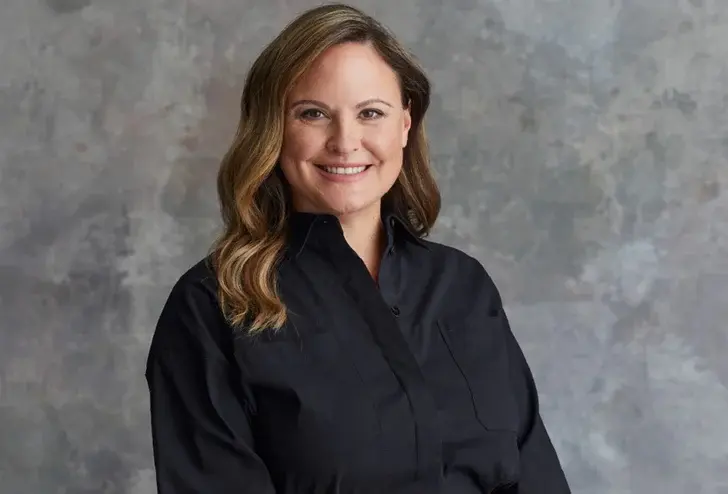
Related Articles
Explore articles on similar themes and topics

From Theory to Practice: How Exos Is Experimenting with Load-Velocity Profiling to Optimize Training
Exos has always been the coaching company that gets people ready for the moments that matter most—whether in sport, work, or life. For athletes, this means understanding two fundamental points: What specific moment is the athlete preparing for? Where is the athlete currently in their journey?
A Coach’s Perspective on Power, Speed, and Smarter Resistance Training
Keiser’s technology made training safer, smoother, and more intelligent, bringing the invisible side of performance — the load-velocity relationship, true specificity, eccentric work, intent — into clear focus.