Episode 36
Brandon Accardi - Impact of Keiser on Olympic Weightlifting
Listen to the full podcast episode below, or listen on your favorite player.
Watch or listen on your favorite platforms







In this episode of the Keiser Human Performance Podcast, Brandon Accardi shares his perspective on performance training, coaching, and what it takes to build effective, sustainable programs for athletes and clients alike.
The conversation explores the importance of intent, consistency, and applying the right training methods to meet individual needs — balancing proven principles with real-world coaching experience. Brandon discusses how to develop strength, power, and overall performance while avoiding common pitfalls and focusing on long-term results.
This episode offers practical insights for coaches, practitioners, and athletes looking to refine their approach and get more out of their training through smarter, more intentional programming.
00:00:00.080 --> 00:00:03.440
All right, welcome back to the Keiser Human Performance podcast. I'm here with Coach
00:00:03.440 --> 00:00:07.840
Brandon Accardi, owner of Accardi Barbell Club, who joins us from Australia. Brandon, how are
00:00:07.840 --> 00:00:14.720
you doing today? I'm doing well. I have woken up pretty easily this morning because I'm I knew I
00:00:14.720 --> 00:00:20.160
was jumping on the podcast with you. It's 6:00 a.m. this morning, but I'm I'm ready to go. So,
00:00:20.160 --> 00:00:25.680
I'm pumped. We got a strong cup of coffee, or as they say, a long black down there. And
00:00:25.680 --> 00:00:29.280
uh you're ready to rock. So, for those that are listening that are unfamiliar with Brandon's work,
00:00:29.280 --> 00:00:32.880
he trains a variety of athletes, including Olympians, competitive weightlifters. Tell
00:00:32.880 --> 00:00:36.800
us what's going on at the club this time of year. We just had our nationals uh for
00:00:36.800 --> 00:00:44.000
weightlifting last year. So, for us, our season's pretty much wrapped up. Uh which is, you know,
00:00:44.000 --> 00:00:47.680
it's it's an interesting time because now we can sort of take our time. We don't have to rush. We
00:00:47.680 --> 00:00:52.240
don't have any pressure for competition. And a lot of those things are at the back end of the year.
00:00:52.240 --> 00:00:58.240
So anyone who's trying to do world championships for weightlifting, which is the type of athlete I
00:00:58.240 --> 00:01:04.400
typically work with. So a lot of the international competitions are at the back end of the year. Uh
00:01:04.400 --> 00:01:09.520
for us, we acquired a lot of Keiser equipment around the middle of last year. So it was in the
00:01:09.520 --> 00:01:14.960
middle of our preparation. So it's one of those things where people are preparing for competition.
00:01:14.960 --> 00:01:20.400
They have a competition coming up in and it was like 2 3 weeks and then I'm going to completely
00:01:20.400 --> 00:01:25.280
change the style of training and get rid of a lot of these modalities and just switch to to
00:01:25.280 --> 00:01:29.200
Keiser in the leadup to competition. You're not really sure how it's going to go. So now we're in
00:01:29.200 --> 00:01:34.800
our GPP block. You know, a lot of people are just building capacity and I suppose getting prepared
00:01:34.800 --> 00:01:39.760
for taking training to the next level when we get back into our specific work. So for us, I can now
00:01:39.760 --> 00:01:45.040
take my time and I'm doing things a little bit differently. um not having to rush as far as like,
00:01:45.040 --> 00:01:49.360
you know, maxing out the wattage on the Squat Pro. We're just maybe taking our time and doing
00:01:49.360 --> 00:01:53.600
some other progressions in the leadup to comp. Yeah, I know there's a lot of excitement about
00:01:53.600 --> 00:01:57.360
the addition of that equipment. It sounds like now you can kind of take a step back for a second, you
00:01:57.360 --> 00:02:01.040
know, with competition not being on the horizon necessarily, and really think about how can we do
00:02:01.040 --> 00:02:04.800
this over a long period of time, which I'm really interested to hear more about. I had the chance to
00:02:04.800 --> 00:02:09.200
listen to your conversation with Dr. Christopher Dale, actually, which I love by the way. It was
00:02:09.200 --> 00:02:13.200
an excellent conversation. Really suggest anyone listen to that. Can you tell us more about how you
00:02:13.200 --> 00:02:17.920
came across pneumatics and Keiser? You mentioned you got it last May. Like what was the impetus for
00:02:17.920 --> 00:02:25.440
adding Keiser? It was one of those things where so in Australia the exposure for Keiser is probably
00:02:25.440 --> 00:02:30.960
not what it is in America. It's quite small and you don't really know anyone that has it. So a few
00:02:30.960 --> 00:02:36.560
years ago I did a workshop, speed workshop with Melbourne Athletic Development. So they have a lot
00:02:36.560 --> 00:02:44.640
of great athletes and they actually had a squat standing squat there and a Keiser machine and it
00:02:44.640 --> 00:02:50.960
was towards the end of day two and I was so burnt out and I just wanted to go home. So they started
00:02:50.960 --> 00:02:55.760
they turned on the compressor and it was it was just like such a weird experience seeing an air
00:02:55.760 --> 00:03:01.120
compressor in a gym. I was like watching them do it and I was like look I have no need for this. I
00:03:01.120 --> 00:03:04.480
don't know what this is. This looks like a waste of time. So I'm just going to go home. So, I just
00:03:04.480 --> 00:03:09.040
went home and I I watched a few of them do some reps. There was a part of me that really I wishes
00:03:09.040 --> 00:03:13.200
I stayed and just did just used it to see what it would feel like, but I honestly couldn't care
00:03:13.200 --> 00:03:19.200
less. And that was it's it's so funny me thinking about like my first exposure to seeing it. And
00:03:19.200 --> 00:03:24.640
then a few months later, I started getting into using that knowledge. We was doing some resistance
00:03:24.640 --> 00:03:29.520
sprinting with some of the weightlifters that I was coaching and we was starting to introduce a
00:03:29.520 --> 00:03:34.240
lot of plyometrics. So, our training was starting to diverge from just using mass all the time. So,
00:03:34.240 --> 00:03:38.960
we were starting to fix a lot of the issues that my weightlifterss had, which was they didn't have
00:03:38.960 --> 00:03:43.200
many general athletic qualities. They were very good at weightlifting, but the problem has always
00:03:43.200 --> 00:03:47.120
been there's a lot of lowhanging fruit. There's a lot of piece in their development that had been
00:03:47.120 --> 00:03:52.240
skipped. So things like patelliteninopathy, they were getting patellenopathy from weightlifting
00:03:52.240 --> 00:03:57.360
like jumpers knee from that because they their muscle wasn't elastic enough to change direction
00:03:57.360 --> 00:04:02.320
in the bottom of a squat or they just weren't fast and powerful. So trying to problem solve it
00:04:02.320 --> 00:04:07.440
with weightlifting doesn't always work or wasn't working. So that's what's led me to, you know,
00:04:07.440 --> 00:04:13.120
explore different modalities with my athletes and yeah, just I think seeing a lot of sprint sprint
00:04:13.120 --> 00:04:18.960
work and sprint coaches and that's just almost using Keiser equipment is almost part of the norm
00:04:18.960 --> 00:04:24.640
for the top tier athletes and it's just how they train. Pretty sure the Jamaican MVP track club
00:04:24.640 --> 00:04:29.600
has every piece of equipment on the planet and yeah, they've got it all, the rack and and and
00:04:29.600 --> 00:04:33.680
everything. So for us it was it was like, well, how can we take our training to the next level?
00:04:33.680 --> 00:04:40.800
And I'd been looking for like secondhand equipment and it's really it was a big expense for us. We're
00:04:40.800 --> 00:04:46.560
a family business so it was a matter of like okay do do like does my dad believe in me to purchase
00:04:46.560 --> 00:04:52.640
this? It it was a big decision to make. And when my friend Dr. Dale got the equipment I went down
00:04:52.640 --> 00:04:58.560
to I went up to Brisbane to use it. And after I used it for the first time I was so converted and
00:04:58.560 --> 00:05:03.760
uh I messaged my dad on the way home and I was like we we need to order this. So, like the
00:05:03.760 --> 00:05:10.400
day after we had a big workshop here, I actually paid the deposit and um started with a squat pro
00:05:10.400 --> 00:05:15.200
and a belt sport based on Chris's recommendations being that the two machines are quite different.
00:05:15.200 --> 00:05:21.760
And then I just acquired I was really lucky at the time. I got a lot of secondhand equipment,
00:05:21.760 --> 00:05:27.120
so the stuff is so bulletproof, which um a lot of people just don't really know what Keiser does in
00:05:27.120 --> 00:05:32.800
Australia. you know, usually just sadly sometimes collects dust and people don't really utilize it
00:05:32.800 --> 00:05:40.560
to its its full capacity. Uh, in about two two months, I somehow went from zero to 10 machines.
00:05:40.560 --> 00:05:46.400
And when you acquire that many machines and you're like an owner operator, I'm not just like someone
00:05:46.400 --> 00:05:50.640
who works in a commercial gym and I just manage at the desk. Like I actually we coach every I coach
00:05:50.640 --> 00:05:57.040
everybody here. It can be really overwhelming. It's like imagine if you got 10 new Porsches and
00:05:57.040 --> 00:06:02.160
you didn't have any Porsches and then it it you wouldn't almost appreciate all of them. So, it's
00:06:02.160 --> 00:06:06.560
taken me a long time to work out like oh like when I first got the lower back I didn't really know
00:06:06.560 --> 00:06:10.160
what the lower back did. I didn't really use it that much and now it's become one of my favorite
00:06:10.160 --> 00:06:14.880
machines. So, it's taken us a while to adjust to all this new equipment and it's completely changed
00:06:14.880 --> 00:06:20.720
the training environments. I know I've said a lot of things in that I've said a lot of information
00:06:20.720 --> 00:06:24.400
in the last five minutes. It's great. you just you just keep going. I'm I'm not going to say a
00:06:24.400 --> 00:06:30.400
word. Hopefully, it gives people an understanding of like we had been operating for 9 years and we
00:06:30.400 --> 00:06:36.640
didn't just like we didn't just open up and have Keiser. We've had to learn how to train and learn
00:06:36.640 --> 00:06:42.880
what works with in our world and then we've almost acquired Keiser to like supercharge it and take it
00:06:42.880 --> 00:06:48.080
to the next level. But a lot of those principles that we've learned about training have made uh you
00:06:48.080 --> 00:06:53.040
know the step into using it just like a natural progression for my coaching but also my athletes
00:06:53.040 --> 00:07:00.400
that I train. Yeah. So it sounded like the big challenge that you were facing was some of the
00:07:00.400 --> 00:07:05.600
the issues that some of your athletes were facing like the tenonopathy like the lack of athleticism
00:07:05.600 --> 00:07:11.600
speed power. I mean, weightlifting for a majority of people, the answer sometimes is more load,
00:07:11.600 --> 00:07:15.920
more load, more load, and maybe not necessarily more speed or more power. So, it sounds like
00:07:15.920 --> 00:07:22.000
you you were trying to increase athleticism, increase maybe the speed side of the force curve,
00:07:22.000 --> 00:07:27.840
force velocity curve, and and that led you to Keiser. Absolutely. It's funny. I think if you
00:07:27.840 --> 00:07:33.440
use weightlifting like a thrower, which is what we had been doing for maybe the last couple of years,
00:07:33.440 --> 00:07:39.600
where the goal isn't to increase load is just to move the same weight faster or if you add 5 kilos,
00:07:39.600 --> 00:07:45.280
you're still trying to prioritize velocity or peak power. But when the sport is weightlifting,
00:07:45.280 --> 00:07:50.800
people can get carried away and focus so much on on how heavy they're lifting and then that just
00:07:50.800 --> 00:07:55.360
turns it into just a strength exercise. And if you don't have that, maybe it's like a genetic
00:07:55.360 --> 00:07:59.040
component. If you just don't have that natural twitch or you're just not explosive or maybe you
00:07:59.040 --> 00:08:02.400
don't have a background in a lot of the guys that have done track and field, they're just they they
00:08:02.400 --> 00:08:06.240
make great weightlifters if they ever decide to transition to it. But because they've just have
00:08:06.240 --> 00:08:12.000
that speed and and power component from sprinting, it's uh it's interesting. So, it's been a bit of
00:08:12.000 --> 00:08:17.360
a paradigm shift for a lot of people just inside my gym, but a lot of the people that I work with,
00:08:17.360 --> 00:08:21.760
they've sort of propagated that. a lot of a lot of the uh the messaging around how we coach is
00:08:21.760 --> 00:08:26.000
slightly different to what you would typically see with weightlifting. So, we often try to train
00:08:26.000 --> 00:08:30.560
people like throwers for majority of the year and then when we try and peak for competition then
00:08:30.560 --> 00:08:34.800
we can just bias the load a little bit more and that's how we've been able to approach like the
00:08:34.800 --> 00:08:41.040
long-term athlete development and Kais has just almost added more layers to make that like almost
00:08:41.040 --> 00:08:46.720
expand that journey. It's got to be hard because you're doing it for so long for a certain way,
00:08:46.720 --> 00:08:50.880
right? And then you need to have that trust from the athlete. You need to build that equity,
00:08:50.880 --> 00:08:57.200
that trust equity from the athlete to now trust you as a practitioner to change things, alter
00:08:57.200 --> 00:09:02.400
things that deal directly with their training, right? And ultimately their performance. So
00:09:02.400 --> 00:09:06.480
talk about that. Like what was that like when you started to add these pieces? Obviously,
00:09:06.480 --> 00:09:10.800
they're not interacting with a barbell and mass right now. They're switching over pneumatics. It's
00:09:10.800 --> 00:09:17.360
a new stimulus for them. Tell me what that was like for the athlete. Yeah. Yeah, I think some
00:09:17.360 --> 00:09:21.840
people as soon as they use it, like as soon as they go down for the first time with the
00:09:21.840 --> 00:09:29.920
the squat pro and they just it looks so jerky and they're not used to that smooth feeling, uh they
00:09:29.920 --> 00:09:36.640
they're immediately converted. They're like, "Oh, so that's uh that that felt really fast or that
00:09:36.640 --> 00:09:42.720
feels so different." Then other people I think it takes them a while because they're not really
00:09:42.720 --> 00:09:48.080
sure why they're doing it. Some people they maybe trust me too much and they're just like you know
00:09:48.080 --> 00:09:53.520
whatever you say I'll do but they're not really that bought into the methodology or I suppose the
00:09:53.520 --> 00:09:59.200
why behind the programming where a lot of the I suppose the higher level athletes I coach they're
00:09:59.200 --> 00:10:04.240
definitely they definitely want to know they're more curious they are really interested in like
00:10:04.240 --> 00:10:10.400
you know why are we using this type of equipment I've never seen this before so the yeah it it's I
00:10:10.400 --> 00:10:13.920
think the big one has been you know well one of the girls that I trained for world championship
00:10:14.560 --> 00:10:19.120
We she had a little bit of lower back pain and like uh I don't know if it was like hip
00:10:19.120 --> 00:10:24.000
tenopathy or whatever it was. She couldn't squat with a barbell. So we had 5 weeks to train for
00:10:24.000 --> 00:10:29.440
the world championships in Norway and the first week that we came to she came to my gym. She did
00:10:29.440 --> 00:10:33.840
a training camp in the leadup to it because she lives interstate and we were doing some front
00:10:33.840 --> 00:10:38.640
squats and they were so bad. Like it was it was not good. And then I just said to her, I think
00:10:38.640 --> 00:10:44.400
we're not going to squat with the barbell for like for weightlifting, but snatching cleaning joke was
00:10:44.400 --> 00:10:49.120
okay, which was great. We're just going to use the belt squat twice a week and that's it. So,
00:10:49.120 --> 00:10:54.000
and I think I think she was a bit scared. She said she was like, "Am I going to get better, you know,
00:10:54.000 --> 00:10:58.480
training here?" And uh one of the bob sledders who had just done a big off season with me, he was
00:10:58.480 --> 00:11:02.880
like looking at me like, "Can we just get rid of her now? Like, what is is she serious?" Cuz he had
00:11:02.880 --> 00:11:08.240
made such great progress. So that and it worked out great. So I think it was there was almost like
00:11:08.240 --> 00:11:15.280
a bit of a leap of faith with it. But I think the thing with Keiser has been that we can give such a
00:11:15.280 --> 00:11:22.640
specific stimulus that targets our sport so well. So, you know, maybe you don't deadlift heavier,
00:11:22.640 --> 00:11:27.120
which isn't the goal, but your ability to like not all of your strength metrics go up,
00:11:27.120 --> 00:11:32.240
but if we program it correctly, your weightlifting will will dramatically change because of the speed
00:11:32.240 --> 00:11:38.320
of contraction so fast with all the lower body machines that it's just night and day
00:11:38.320 --> 00:11:44.320
difference. It's like a completely different realm of training. Yeah. It sounded like in listening to
00:11:44.320 --> 00:11:48.640
some of your previous conversations, one there was an impactful podcast episode you listened
00:11:48.640 --> 00:11:53.360
to with Dennis. Yes. That kind of resonated with you talking talking about the implementation of
00:11:53.360 --> 00:11:57.680
pneumatics, but then also game speed, life speed, you know, power. And then it kind of
00:11:57.680 --> 00:12:06.160
moved into you discussing this idea of converting speed into strength and not the other way around,
00:12:06.160 --> 00:12:12.720
not the traditional strength into speed. Can you expand on that? Yeah, there's uh people have
00:12:12.720 --> 00:12:21.120
probably heard of Charlie Francis, Ben Johnson's coach and he in his like he's famous for short to
00:12:21.120 --> 00:12:26.880
long so trying to periodize training whereas in that way where you know working from acceleration
00:12:26.880 --> 00:12:31.680
to max velocity and then building that speed endurance where perhaps Car Lewis it was more
00:12:31.680 --> 00:12:37.760
the long to short starting the training block with high volume running 400s and so on. So I really
00:12:37.760 --> 00:12:43.440
like that framework of short to long and I felt that short to long for weightlifting was trying to
00:12:43.440 --> 00:12:48.560
build acceleration working in the shorter ranges of motion. So that means developing these faster
00:12:48.560 --> 00:12:54.160
more explosive exercises such as you know just your jerk start with that and then work on your
00:12:54.160 --> 00:13:00.160
second pull which is that explosive component and then over time the development will will
00:13:00.160 --> 00:13:04.800
come later where we're working to the floor and in those bigger ranges of motion because we're
00:13:04.800 --> 00:13:11.040
still doing general strength. It's just it made sense for me to adopt that type of periodization
00:13:11.040 --> 00:13:15.760
model for my athletes because of the way that that we were training and that's what led to
00:13:15.760 --> 00:13:21.760
that sort of phrase convert speed to strength and just how the way that we're training for whatever
00:13:21.760 --> 00:13:26.400
mechanism it it is that we're using whether it's the neurological component whether it's something
00:13:26.400 --> 00:13:32.240
in our muscle physiology whether we're using more passive tissue to increase strength and increase
00:13:32.240 --> 00:13:38.080
stiffness which is really really interesting but that's led to having significant implications on
00:13:38.080 --> 00:13:44.080
maximal strength. So, if we do a lot of this, you know, fast change of direction um in in with our
00:13:44.080 --> 00:13:48.720
Keiser equipment, which we can without breaking people that we just couldn't do with mass or
00:13:48.720 --> 00:13:53.600
bands, it's led to significant improvements in maximal strength. Whereas, if we just did
00:13:53.600 --> 00:14:00.240
the maximal strength, you know, perhaps we can increase chance of injury, perhaps we just don't
00:14:00.240 --> 00:14:06.800
get faster. Uh we maybe we actually can decrease coordination. So a lot of these things are all
00:14:06.800 --> 00:14:12.240
interconnected. So I often use that lens as like a large scope to look through training with. And
00:14:12.240 --> 00:14:17.280
then inside of that perspective sits a lot of the implications for all the other qualities
00:14:17.280 --> 00:14:26.080
as I mentioned like coordination, strength and so on. Yeah, I love the breakdown of moving,
00:14:26.080 --> 00:14:35.600
you know, speed into strength and kind of how you liken that to Charlie Francis's short to long.
00:14:35.600 --> 00:14:46.160
It seems like there's this ability to take smaller chunks of a more global movement like a clean
00:14:46.160 --> 00:14:53.920
um like a clean and and jerk and work on these smaller portions of it. And it seems like
00:14:53.920 --> 00:14:57.040
you've been doing that with some of the Keiser equipment, right? You talked about the first pole,
00:14:57.040 --> 00:15:00.880
you talked about the second pole. So curious to see like how you break down that movement into
00:15:00.880 --> 00:15:05.680
chunks and is that been your plan of attack? like, okay, I'm going to attack the first pole
00:15:05.680 --> 00:15:09.520
and the qualities of the first pole now and then later move into the second. Definitely. I think
00:15:09.520 --> 00:15:14.160
when I'm looking at the equipment, I'm trying to think about what does it do? What what does the
00:15:14.160 --> 00:15:19.920
what does it do? Not just in one session, but what does it do for adaptation? So, the belt squat is
00:15:19.920 --> 00:15:24.240
so I've been really fortunate one of my colleagues obviously we've spoken about him already, Dr.
00:15:24.240 --> 00:15:28.400
Christopher Dale, and he probably needs to come on this podcast because you probably have a great
00:15:28.400 --> 00:15:33.920
chat with him as well. He'll love that. He's got a lot of muscle lab equipment where these muscle
00:15:33.920 --> 00:15:39.520
lab encoders they can you can get raw data and you can just measure whatever you want. So because we
00:15:39.520 --> 00:15:44.800
with our A300's we don't have the ability to get like a force velocity profile or a force velocity
00:15:44.800 --> 00:15:50.720
curve. So he just put the encoder on the on the lever on the belt squad and and similar similar
00:15:50.720 --> 00:15:56.160
uh on the squat pro. So we could just get a a uh a velocity trace and then you can get the raw data
00:15:56.160 --> 00:16:01.040
and then put it out onto a spreadsheet and compare it with other movements. So the belt squat,
00:16:01.040 --> 00:16:05.680
the curve looks like a clean pull. It just looks it's exactly the same. And if you look at how the
00:16:05.680 --> 00:16:09.920
movement looks aesthetically, you're producing peak power at peak velocity. So you're pushing
00:16:09.920 --> 00:16:14.080
through the whole range of motion. So it's got that ascending curve, which is a lot of what a
00:16:14.080 --> 00:16:18.160
lot of people talk about, especially in Keiser education as well. Knowing that and that you're
00:16:18.160 --> 00:16:23.040
pushing for this in the same time frames and same range of motion, it's the same as a clean pull. So
00:16:23.040 --> 00:16:27.680
the transfer is is almost one to one. And then the fact that you have to change direction with it is
00:16:27.680 --> 00:16:31.600
very similar to what you would do in a clean. So there's a lot of similarities there. So I often
00:16:31.600 --> 00:16:35.280
see the belt squat as like this is our general strength development. This is where we need to
00:16:35.280 --> 00:16:40.400
get strong and get really powerful in because it's that's our first pull. And then a lot of our
00:16:40.400 --> 00:16:45.200
faster quick change of direction whether it's more cyclical or any of our shorter range of motion
00:16:45.200 --> 00:16:49.760
exercises especially when they're not done that heavy. That's our jerk and that's our second pull.
00:16:49.760 --> 00:16:56.320
So in our jerk, I suppose it's common knowledge in weightlifting to see the jerk as this really heavy
00:16:56.320 --> 00:17:00.800
exercise, which it is. And then because it's so heavy, people are just stuck on that. They're just
00:17:00.800 --> 00:17:05.920
stuck on, well, how am I going to jerk? Whether it's, you know, one of the girls that I coach,
00:17:05.920 --> 00:17:12.320
she jerks almost 130 kilos and she weighs 60 kilos. To think of it like people are skipping to
00:17:12.320 --> 00:17:16.080
the end goal. How the hell am I going to jerk 130? How am I going to jerk double body weight? So then
00:17:16.080 --> 00:17:20.000
they're automatically skipping to the last piece in their development which is well let's just put
00:17:20.000 --> 00:17:26.000
130 on 120 on and they do these slow heavy jerk dips where that's not at all how I approach it.
00:17:26.000 --> 00:17:31.440
So it's well there are these mechanisms so how can we learn how to change direction? Well so we talk
00:17:31.440 --> 00:17:35.200
about like weightlifting as a change of direction sport. You're just going up and down with barbell.
00:17:35.200 --> 00:17:41.200
So there it's pretty pretty simple. The you need to use the the stretch shortening cycle.
00:17:41.200 --> 00:17:44.880
So you need to take up muscle slack and and make sure that when you change direction,
00:17:44.880 --> 00:17:49.360
the muscle doesn't deform. So the muscle needs to be really strong like a spring and and maintain
00:17:49.360 --> 00:17:55.840
tension when you dip. So the best thing for that is a is a Keiser squat pro like a fast squat.
00:17:55.840 --> 00:18:01.280
So you're working in those same ranges of motion and you can go quite heavy, but you can also bias
00:18:01.280 --> 00:18:07.120
velocity. pogos, countermovement jumps, we use the Smith machine as well, a lot of general exercises,
00:18:07.120 --> 00:18:11.360
sprinting, they're all in that same sort of time frame and and possessing the same demands
00:18:11.360 --> 00:18:15.840
on what's happening at the hip and knee when you're trying to use the barbell. So,
00:18:15.840 --> 00:18:19.840
I suppose I've sort of broken up each of the lifts into like, you know, okay,
00:18:19.840 --> 00:18:24.960
these are the lifts. What are the demands for each of the lifts? Dennis has the the quote, Dennis and
00:18:24.960 --> 00:18:30.880
Randy share the quote, know the race, build the car. And it it's just using this mechanical I
00:18:30.880 --> 00:18:34.720
suppose it's it's just a great concept where you're looking at the mechanical demands of
00:18:34.720 --> 00:18:39.440
your sport and then how you can sort of build the athlete around it. Whereas you know maybe people
00:18:39.440 --> 00:18:43.920
are looking at the sport wrong and that's leading them to build the wrong car which is why they may
00:18:43.920 --> 00:18:49.680
be losing and it's not working. Well said. Yeah. Well said. Absolutely. I like something else you
00:18:49.680 --> 00:18:52.880
had you had mentioned previously which is like let's just take a step back and like
00:18:52.880 --> 00:18:57.680
what is training like what is working out and what does it do? How does it feel and what is
00:18:57.680 --> 00:19:02.800
this what what's it supposed to do right and now that we've I take a step back and identify that
00:19:02.800 --> 00:19:07.360
and just think about that then it's like okay where does pneumatics fit into this where does
00:19:07.360 --> 00:19:14.880
mass fit into this where do bands fit into this and start building that car appropriately. Yeah,
00:19:14.880 --> 00:19:20.560
exactly. the the best thing about it is the fact that so we were using some VBT with our athletes
00:19:20.560 --> 00:19:25.360
and then I I think I've sort of gone a bit bondage with it and just gone well now that I know what
00:19:25.360 --> 00:19:30.160
the VBT does and how it works I don't really need to use it anymore or I can pull it out when I want
00:19:30.160 --> 00:19:34.800
to for the athlete because now I know what all my exercises do and I've tracked it long enough to
00:19:34.800 --> 00:19:39.440
see you know what a you know time period with this type of variation does for adaptation. So, we've
00:19:39.440 --> 00:19:43.600
been tracking adaptation essentially with the Keiser. I turn the screen on and it's we're always
00:19:43.600 --> 00:19:47.920
tracking adaptation. So, we always, you know, if I log things and and progress things over time,
00:19:47.920 --> 00:19:52.960
I always know what it's doing and and how they're adapting. So, because we have the technology now
00:19:52.960 --> 00:19:57.280
integrated so well into our training system for all our strength and power work, it makes it
00:19:57.280 --> 00:20:01.600
really easy to know whether or not the change that we've made to the program as a whole is having a
00:20:01.600 --> 00:20:05.920
positive outcome on performance. And if we're only seeing changes in in our Keiser work, but we're
00:20:05.920 --> 00:20:11.120
not seeing any transfer to our weightlifting, then you know, perhaps the Keiser, you know,
00:20:11.120 --> 00:20:16.000
isn't working, isn't programmed in the way that I want it and so on. But yeah, it's there's so many
00:20:16.000 --> 00:20:20.240
ways we can take this. Yeah, for sure. I know. I know. I'm kind of thinking about that as well.
00:20:20.240 --> 00:20:24.240
My question to you is now that you've been able to collect data on athletes, now that you've been
00:20:24.240 --> 00:20:28.800
able to uh evaluate the race, think about the kind of car that you want to build, and now that you've
00:20:28.800 --> 00:20:35.760
seen stronger correlations between the Keiser and weightlifting performance, do you have a better
00:20:35.760 --> 00:20:40.560
sense? Do you have like standards that you've created now, a better sense of these standards
00:20:40.560 --> 00:20:46.240
for athletes at a certain body weight for how much power, peak power they should be producing
00:20:46.240 --> 00:20:53.200
on a certain exercise? Right? If I'm on the belt squat, I know that if I weigh this amount, great
00:20:53.200 --> 00:21:00.240
great lifters, right? If they have, assuming they have great technique, produce X amount of watts on
00:21:00.240 --> 00:21:03.680
that movement. Are you there? Are you there yet? Is that somewhere you're trying to get to? Is it
00:21:03.680 --> 00:21:07.680
kind of everyone is their own right now? Yeah, I think everybody's their own. It's like saying,
00:21:07.680 --> 00:21:12.720
uh, how fast should I lift or how fast should I run? How fast is good how fast is good running
00:21:12.720 --> 00:21:17.760
speed? And it's like, well, just faster. So, we always get that get that question. It's like, how
00:21:17.760 --> 00:21:23.040
heavy should I squat? Probably a lot. It doesn't I think it's one of those things where we're trying
00:21:23.040 --> 00:21:29.520
to I suppose the important part is can you have your peak power around the loads that you want to
00:21:29.520 --> 00:21:33.760
snatch and clean and jerk. I think that's probably where it's gone. So, some of the athletes have
00:21:33.760 --> 00:21:39.840
peak power that are at the really heavy side of power. So, for example, with the A300, we just do
00:21:39.840 --> 00:21:44.560
a load power. We I suppose we do load power tests every day because it's just how we train. they're
00:21:44.560 --> 00:21:49.840
just warming up and adding load and we're tracking the wattage as they're going up. And a lot of
00:21:49.840 --> 00:21:54.880
athletes, particularly the stronger ones, but the ones that aren't fast, which is why they need the
00:21:54.880 --> 00:22:00.720
Keiser in the first place, they might not be that good at weightlifting because they have all of
00:22:00.720 --> 00:22:06.000
their power at the heavier sides. So, they need a lot of resistance to produce that force. So,
00:22:06.000 --> 00:22:10.640
whether it's they need a lot of resistance to take up the muscle slack or they just can't achieve
00:22:10.640 --> 00:22:15.200
high velocities. So even at the lighter wattages, they just can't move it fast. And that's me. So
00:22:15.200 --> 00:22:22.160
I have, you know, 200 kilos is my peak power on the belt squat, whereas Dr. Dales is 120 or 140
00:22:22.160 --> 00:22:28.720
and he's got he's was a great sprinter when he was younger. Sure. So we want to try and think about,
00:22:28.720 --> 00:22:34.400
well, okay, if I want to snatch, if I want to clean and jerk 170, 180 kilos, I need to bring
00:22:34.400 --> 00:22:42.240
my peak power down to those loads. So I need to do training uh that is going to improve the capacity
00:22:42.240 --> 00:22:48.480
at those lighter sides. So it's just a matter of looking at well the the resistance and the speed
00:22:48.480 --> 00:22:53.680
of the sport needs to match the type of Keiser training that we're doing. But that's I suppose
00:22:53.680 --> 00:22:58.560
looking at it through more of a specific lens. So it's almost I think with weightlifting the
00:22:58.560 --> 00:23:02.560
two are almost opposite the way that I program weightlifting and Keiser. So when if we want
00:23:02.560 --> 00:23:07.920
to be specific about our sport, I'll do heavy weightlifting in the leadup to competition but
00:23:07.920 --> 00:23:13.760
really light Keiser or lighter. And then to prepare for training and in our GPP phases,
00:23:13.760 --> 00:23:17.520
we'll be doing lighter weightlifting but really heavy Keiser because we can develop strength
00:23:17.520 --> 00:23:22.400
and and build capacity at those heavier loads. So they're almost opposite of each other. It's almost
00:23:22.400 --> 00:23:29.440
right with with some easier mechanical stress. Yeah. Yeah. And just because we want to prioritize
00:23:29.440 --> 00:23:34.240
velocity because when we're doing really heavy weightlifting, we just velocity just drops off
00:23:34.240 --> 00:23:39.520
so fast. Um, and I think that's been something that I want to maintain in the program. I want
00:23:39.520 --> 00:23:44.880
that fast twitchy feeling and then I can just use the the weightlifting as a as a way to, you know,
00:23:44.880 --> 00:23:51.520
just maintain strength or, you know, have them be fresh for performing just more snatch and cleaner
00:23:51.520 --> 00:23:57.040
jokes. So I want the coordination to be precise. Uh, yeah. So going back to that original question,
00:23:57.040 --> 00:24:01.760
I think it's about the the most important thing to ask is, you know, where is my athlete strong
00:24:01.760 --> 00:24:06.960
rather than uh you know, what's the what's the big number? What you know, how much power do they have
00:24:06.960 --> 00:24:12.720
or and so on. Yeah. So breaking that down, you know, not only is where is this athlete strong,
00:24:12.720 --> 00:24:18.000
but where is this athlete weak, right? So, how do you decide how much time you want to be spending
00:24:18.000 --> 00:24:22.400
in areas that are maybe their rate limiting factor, right, and their biggest weakness
00:24:22.400 --> 00:24:26.240
versus continuing to improve their strengths and what they're really good at and why they're so
00:24:26.240 --> 00:24:30.720
successful. How do you think about that in the context of like an entire off season leading
00:24:30.720 --> 00:24:35.680
up to competition, too? Yeah, definitely. I think that's where having being really strict
00:24:35.680 --> 00:24:42.640
and systemizing training is so important. So, you almost uh the training system that I've created
00:24:42.640 --> 00:24:48.800
is like my boss. So, I need to uh need to respect it. And what I mean by that is for some athletes,
00:24:48.800 --> 00:24:53.440
it's just too bad if they're if they suck at at it and the whole program's really hard because
00:24:53.440 --> 00:24:58.080
ultimately ultimately if they want to get better, this is a long-term development pathway for them.
00:24:58.080 --> 00:25:02.080
And where they're at right now, it doesn't matter if they're good today, uh they need to be good in
00:25:02.080 --> 00:25:07.600
like some of them won't make a team or be on a national team for at least 2 years or one and
00:25:07.600 --> 00:25:12.320
a half years. So, I don't really care what they do in competition for nationals, even this year.
00:25:12.320 --> 00:25:17.280
what's going to matter is 2027 for a lot of them. So we can just spend we can afford to just spend
00:25:17.280 --> 00:25:22.240
heaps of time on that in that phase where they're just having fun. They have a lot of variety
00:25:22.240 --> 00:25:26.800
in their training and then their Keiser is just trying to get them fast and powerful. So you know
00:25:26.800 --> 00:25:33.040
trying to do three sets of six on the belt squat which sucks at 90% of peak power you know trying
00:25:33.040 --> 00:25:38.480
to just work on a really fast drop on the squat pro and trying to manufacture lots of these types
00:25:38.480 --> 00:25:43.120
of progressions and we can just be really patient with all of that. Whereas some of the other
00:25:43.120 --> 00:25:47.520
athletes like the the girl that I was training for world championships, we had four weeks to prepare
00:25:47.520 --> 00:25:52.160
in this training environment. So the program that I've I've written for her, I've never given to
00:25:52.160 --> 00:25:56.800
anyone else because it's such a specific program to what she needed. And there's no way that I
00:25:56.800 --> 00:26:01.920
would make someone like belt squat heavy twice a week and and do drop sets and and all this type of
00:26:01.920 --> 00:26:06.560
training. You know, we did Keiser leg extensions three times a week because on the Keiser leg
00:26:06.560 --> 00:26:10.000
extension, you just can. And only people who've used it can understand that you don't really
00:26:10.000 --> 00:26:15.120
get sore from it. So there's that type of training that we were able to do. So I think the thing that
00:26:15.120 --> 00:26:21.520
I love about Keiser is just how it fits into like the long-term development plan for me and yeah,
00:26:21.520 --> 00:26:27.360
if they if they suck at it and if their weaknesses are well, you know, they they they're not very
00:26:27.360 --> 00:26:30.880
good at the program, then that's fine. I think one thing that Keiser is really good at is just
00:26:30.880 --> 00:26:36.000
amplifying where people are weak as you mentioned, but more so from a coordinative perspective. So
00:26:36.000 --> 00:26:40.560
some people can't coordinate a fast change of direction or they don't they maybe can't get
00:26:40.560 --> 00:26:45.280
rid of the inhibition from you know mass based training where they're moving so slowly. So it's
00:26:45.280 --> 00:26:50.160
almost constrained them to it's almost because they've been training with mass for so long
00:26:50.160 --> 00:26:55.040
their brains just adapted to these slow speeds. So it's a matter of unlearning and learning well
00:26:55.040 --> 00:26:59.760
no you can actually move quite fast and this is how you can do it. Yeah. And it just amplifies
00:26:59.760 --> 00:27:05.200
and feeling feeling safe. Yeah. Yeah. And when people try and move fast as you know their body
00:27:05.200 --> 00:27:11.920
will just find extension however so looking at it from like a movement quality or you know movement
00:27:11.920 --> 00:27:16.880
competency perspective going like oh my god when we intensify this you're just using your spine and
00:27:16.880 --> 00:27:20.560
like you you know even on the squat pro people start like extending through their neck they
00:27:20.560 --> 00:27:25.040
just hinge from their hip they don't really flex their knee when they go down so it's a matter of
00:27:25.040 --> 00:27:30.480
looking at it from that lens and saying well you know you can't extend your hip so if we use Keiser
00:27:30.480 --> 00:27:34.080
we need to make sure it stays within in these parameters. This is the technique that we want
00:27:34.080 --> 00:27:38.880
to adopt. And then we need to do a lot of other training to allow you to actually intensify your
00:27:38.880 --> 00:27:43.520
Keiser because or intensify all of your training because the things that you're struggling here,
00:27:43.520 --> 00:27:49.040
you also suck at in your weightlifting. Have you started playing around with any isometrics yet
00:27:49.040 --> 00:27:53.840
with some of the Keiser equipment? I I'm not a I'm I think I'm like an anti-isometric guy,
00:27:53.840 --> 00:27:58.800
which is fine. It's more so that I think some of the literature and research that I've I've read
00:27:58.800 --> 00:28:04.240
about how it can decrease passive stiffness. I suppose it's just like well I don't really
00:28:04.240 --> 00:28:08.800
want to decrease passive stiffness. I want to increase passive stiffness. So if isometrics do
00:28:08.800 --> 00:28:13.520
that then that's not something I want to do with my athletes. But it's just not really how I train.
00:28:13.520 --> 00:28:20.800
But uh that's I usually I not get frustrated but I'm like okay that's isometrics. Yeah. But
00:28:20.800 --> 00:28:25.760
that's just my perspective. I'm very passionate about the topic. Well, no problem. I mean, look,
00:28:25.760 --> 00:28:29.280
you're building a specific type of car, too, right? And a lot of your cars are,
00:28:29.280 --> 00:28:32.800
for the most part, go go go. They got to be able to accelerate. They got to be able to accelerate
00:28:32.800 --> 00:28:38.320
fast. Yeah. I think like if I'm going to spend time on training, our athletes need to be really
00:28:38.320 --> 00:28:43.440
jacked. They need to be really muscly. Um, so there's like bodybuilding circuits and those type
00:28:43.440 --> 00:28:48.400
of things that we do. Like we get everybody on the machines upstairs and they do three sets of 15
00:28:48.400 --> 00:28:53.200
on on eight machines and they just go through it as a circuit. Um, so there's a lot of other ways
00:28:53.200 --> 00:28:59.680
that I suppose we try and think about how we can get people stronger. Um, and have a good workout
00:28:59.680 --> 00:29:05.680
as as well. Like I want them to be interested in this training system for a long time. Um, but yes,
00:29:05.680 --> 00:29:10.000
that's isometrics. I like what you I like what you mentioned. No, no problem. Just ask it. Now
00:29:10.000 --> 00:29:16.320
we know you're not isometrics guy. I just I like what you said about this idea of transferability
00:29:16.320 --> 00:29:22.720
and adaptation and breaking things down into more singular parts of the body like the leg extension,
00:29:22.720 --> 00:29:28.160
right? Like it's working at a single joint. And I think somebody a lot of people would ask like how
00:29:28.160 --> 00:29:34.080
does that impact something like a cleaning jerk, right? How could a machine that is one specific
00:29:34.080 --> 00:29:41.040
joint that's not groundbased impact a movement, a weightlifting movement, a more global movement?
00:29:41.040 --> 00:29:47.280
um at all and to that you would say yeah it's a it's a good question I think I there's two
00:29:47.280 --> 00:29:52.160
components to that one is when we're doing even our fast Keiser work we're using our muscles
00:29:52.160 --> 00:29:56.480
passively when we're trying to change direction especially in the eccentric phase so and then
00:29:56.480 --> 00:30:00.800
that that's the same when we're trying to change direction out of a out of a heavy clean or catch
00:30:00.800 --> 00:30:05.120
a snatch we're having to rely a lot on these passive structures so just looking at it from
00:30:05.120 --> 00:30:10.640
that perspective just because they're strong in that movement but they're using a lot of passive
00:30:10.640 --> 00:30:14.960
range of motion and elasticity to do that in the muscle. So, if we not just think about elasticity
00:30:14.960 --> 00:30:20.480
as just a tendon thing, it's how muscles lengthen as well. Leg extension is necessary because we
00:30:20.480 --> 00:30:25.360
need to train them actively. Like, we can't train them passively all the time because we run into
00:30:25.360 --> 00:30:29.440
issues. And watching a weightlifter get on a leg extension for the first time is so funny because
00:30:29.440 --> 00:30:33.360
they almost don't know how to recruit those muscles even though those tissues are so large,
00:30:33.360 --> 00:30:37.520
which is weird. And you know, when in a single joint movement, people aren't really sure how
00:30:37.520 --> 00:30:42.160
to recruit those muscle tissues. they maybe don't have a good neurological connection. They maybe
00:30:42.160 --> 00:30:47.040
just get VMO and they just get one area on their quad. They actually can't recruit their rectus
00:30:47.040 --> 00:30:51.600
forous at all. So, it's quite interesting in how people struggle on those type of like single joint
00:30:51.600 --> 00:30:57.360
bodybuilding type exercises. And I suppose the other thing is I resonate with the and and I
00:30:57.360 --> 00:31:03.360
um I really like the concept from France Bosch talking about how at different movement speeds
00:31:03.360 --> 00:31:07.840
certain muscles will be will have a greater contribution to the overall force production.
00:31:07.840 --> 00:31:12.960
So it'll almost be like a predominant muscle at this velocity. So when you see transfer,
00:31:12.960 --> 00:31:17.200
it's like this movement, you know, looks the same, but because it's not at the same velocity,
00:31:17.200 --> 00:31:21.520
you're not recruiting those same muscles in the same way. So but the body's very specific,
00:31:21.520 --> 00:31:26.400
I think, in the way that it that it works. And you can be very specific with with the adaptation
00:31:26.400 --> 00:31:33.120
that you want. So for the for the leg extension, I mean, having an exercise where we can go slow,
00:31:33.120 --> 00:31:38.080
slow, medium, fast, I mean, that's the benefit of Keiser. you can train the muscle at all speeds. So
00:31:38.080 --> 00:31:41.760
that in a in a sense, which is something that I'm probably looking forward to learning more about
00:31:41.760 --> 00:31:47.360
over the next few years, but it's pretty pretty gamechanging. Well, it's funny because you said,
00:31:47.360 --> 00:31:52.560
you know, this single joint machine that's more of a bodybuilding type machine and with mass-based
00:31:52.560 --> 00:31:58.160
resistance, for the most part, it is more of a hypertrophy based bodybuilding machine. But with
00:31:58.160 --> 00:32:03.440
Keiser, it's a little bit different, right? You're not playing by the same rules of physics. So it it
00:32:03.440 --> 00:32:11.120
kind of goes from being a bodybuilding machine to a really useful tool. Yeah,
00:32:11.120 --> 00:32:15.120
absolutely. And then when we layer on like the coordination aspect to it, when I get people to
00:32:15.120 --> 00:32:20.720
do a faster leg extension, it looks awful because they they actually are just using their joint or
00:32:20.720 --> 00:32:25.440
there's a lot of like breaking when they're coming in on the eccentric. So, you can maybe see how
00:32:25.440 --> 00:32:29.760
they need to start with that bodybuilding style where they're starting slow and then they can just
00:32:29.760 --> 00:32:34.160
build the speed up and that can be just a logical progression, but you can actually go there now.
00:32:34.160 --> 00:32:39.680
Yeah, I was going to ask you like how do you go about diagnosing these issues within a more
00:32:39.680 --> 00:32:46.000
global movement? Is it your coach's eye? Is it using actual numbers? How do you identify their
00:32:46.000 --> 00:32:51.920
greatest challenge within a big movement? Yeah, I suppose it's probably just a coaching experience.
00:32:51.920 --> 00:32:58.880
I think the like watching someone squat on the belt squat where they can't use their lower back
00:32:58.880 --> 00:33:06.320
or their their spine um I suppose isn't locked like it would be in a back squat and that it's not
00:33:06.320 --> 00:33:11.680
in it's not uh trying to create tension globally. You've almost got your your upper body is almost
00:33:11.680 --> 00:33:17.920
cut off from the movement. You have to just rely on on you know using your hips, quads. Uh and then
00:33:17.920 --> 00:33:22.320
when people still try and use their lower back in those movements, well then it's it just amplifies
00:33:22.320 --> 00:33:28.080
these are the things that they need to work on. So I suppose it's yeah it's probably uh aesthetic how
00:33:28.080 --> 00:33:33.120
I how I look at the movement. It's um I'm trying to assess the the coordination of the exercise.
00:33:33.120 --> 00:33:37.600
How's the movement being sequenced like the joint sequence? Where are they extending from? Where are
00:33:37.600 --> 00:33:42.240
they strong in the movement as we've spoken about earlier? But I don't have like a you know right to
00:33:42.240 --> 00:33:47.680
left asymmetry so to speak. We do some exercises like that, like a step up, barbell step up and
00:33:47.680 --> 00:33:52.960
things like that. But I think just looking at because the leg extension is unilateral,
00:33:52.960 --> 00:33:57.120
seeing one leg come up before the other, people are automatically like that's bad. And that's
00:33:57.120 --> 00:34:01.760
the knee that hurts is the one that lags. So I'm like, well, you need to fix that. So one
00:34:01.760 --> 00:34:07.600
of the ladies that I just did a patellotenopathy rehab with, she had like a she saw a physio and
00:34:07.600 --> 00:34:13.040
her physio said that, you know, this side your is like 1/5 as strong as the other side. And
00:34:13.040 --> 00:34:18.000
then it's been 8 weeks of just using Keiser leg extensions three times a week and now both sides
00:34:18.000 --> 00:34:21.600
are exactly the same. And the only reason why she wanted to go back to the physio appointment was
00:34:21.600 --> 00:34:26.240
to get the strength testing done again just to see what the difference was. Yeah, it's pretty
00:34:26.240 --> 00:34:30.880
interesting. I think the cool part about creating a training system is you can integrate a lot of
00:34:30.880 --> 00:34:36.320
these assessments into the training process. So I'm not an osteo or physio or cairo. So
00:34:36.320 --> 00:34:41.040
I don't have a lot of that uh that knowledge where I can assess someone and do table tests
00:34:41.040 --> 00:34:44.800
and things like that. So I think for me it's just about integrating, you know, what are the things
00:34:44.800 --> 00:34:49.920
that are important to me and important to being a successful athlete in your sport. So for me it's
00:34:49.920 --> 00:34:56.880
mostly specializing in weightlifting. Um so then a lot of the the exercises that I do also act as
00:34:56.880 --> 00:35:01.440
assessments because these are the gold standards that I want to see in each of those movements.
00:35:01.440 --> 00:35:04.960
And I suppose that's something that I've just developed over time. I'm curious to know more
00:35:04.960 --> 00:35:08.960
about your programming leading into competition specifically for weightlifting. how much you're
00:35:08.960 --> 00:35:13.600
using Keiser leading into competition um or if you're not trying to use it at all. Like I'm
00:35:13.600 --> 00:35:19.040
really curious about this peaking phase and what that looks like. Yeah, I use it. I'd say I use it
00:35:19.040 --> 00:35:24.320
all the time even maybe leading into competition. I think some athletes get really fatigued from
00:35:24.320 --> 00:35:30.480
it. So then perhaps we need to take it out of the program for that week. There are some athletes who
00:35:30.480 --> 00:35:35.280
the ones that particularly struggle with it or you know can't get really high wattages but they're
00:35:35.280 --> 00:35:40.560
very strong. Those are the type of athletes that when they do a a good session or they hit a PB on
00:35:40.560 --> 00:35:45.040
the squat pro, they're they're neurologically fatigued. They're extremely fatigued. So,
00:35:45.040 --> 00:35:50.160
what we find with Keiser is we don't often get DOMS or sa muscle soreness from it as you know,
00:35:50.160 --> 00:35:57.680
but uh we do we do get quite a lot of neurological fatigue and they can get cooked. They can get very
00:35:57.680 --> 00:36:02.400
tired in the leadup to competition. So, I think for us it's just a matter of just pulling back the
00:36:02.400 --> 00:36:06.560
the training volume just like you would with any other piece of equipment. And so for us, we still
00:36:06.560 --> 00:36:13.040
want to do one or two fast sets or maybe we want to prioritize maybe just like, you know, one top
00:36:13.040 --> 00:36:18.960
set. So with our belt squats, we might do like a Dr. Chris Dale and I, we call it the power stroke
00:36:18.960 --> 00:36:23.120
where we do three threes heavy and then two sets of five as a as a back down set. And the backown
00:36:23.120 --> 00:36:29.760
sets significantly lighter. And the uh, you know, we just won't do the 3x3 heavy. We'll just do the
00:36:29.760 --> 00:36:34.480
one heavy set and still do the backoffs. But I think it's important to also keep training
00:36:34.480 --> 00:36:39.280
load relatively similar heading into competition because we're just trying to understand what does
00:36:39.280 --> 00:36:44.560
this training load do for competition. Uh so just learning more about our training and then if we
00:36:44.560 --> 00:36:49.040
think of like peing for competition as just trying to have rather than peaking for a singular day,
00:36:49.040 --> 00:36:53.840
we just want to we just want to be trending upwards over this you know one to two week
00:36:53.840 --> 00:37:00.240
period. So we increase a wind have a bigger window for performance. the, you know, not using mass and
00:37:00.240 --> 00:37:05.120
not doing slow things and not having our brain remember a slow rep and is important to me. So,
00:37:05.120 --> 00:37:10.000
I think I like to keep it all all the time. Interesting. So, your velocity or your more
00:37:10.000 --> 00:37:15.600
velocity dominant athletes don't experience quite as much that neuromuscular fatigue. I
00:37:15.600 --> 00:37:19.280
had a guy do a competition and use Keiser in the morning because he didn't he was worried
00:37:19.280 --> 00:37:26.160
about about he was upset that he was going to miss out on an exposure. So on the day of competition,
00:37:26.160 --> 00:37:30.240
I said to him not to come in. Locky, he's a bob sledder. They just missed out on the Winter
00:37:30.240 --> 00:37:35.440
Olympics by one spot and uh he wants Oh, he's in a lot of your videos. Yeah, Lucky would have seen
00:37:35.440 --> 00:37:40.880
him on Instagram. So um he's he wants he wants to have a good crack at at some weightlifting now,
00:37:40.880 --> 00:37:47.280
but he um he was so upset that he was going to miss out on his belt squat and squat pro exposure
00:37:47.280 --> 00:37:51.680
that he came into the gym in the morning and then I couldn't believe that he did it. So my my dad
00:37:51.680 --> 00:37:56.960
and I run the business together and I think my dad sent me sent me a photo. Yeah. Then he came and
00:37:56.960 --> 00:38:02.320
competed later and he had a great competition. It was amazing. So when he when he's ready,
00:38:02.320 --> 00:38:07.120
he will be a great coach. He He already is a good coach. He's a good coach as well. Yeah.
00:38:07.120 --> 00:38:13.280
Yeah. What an ally to have in your room. I know. The best. You can tell you can tell from these
00:38:13.280 --> 00:38:20.080
videos um that he's having that you have a fun time too with it. Um too much fun. I was going
00:38:20.080 --> 00:38:25.040
to ask about that potentiation aspect, right? How many people are trying to hit some Keiser maybe
00:38:25.040 --> 00:38:29.680
in the morning or right before competition, but it's a really interesting thing I haven't thought
00:38:29.680 --> 00:38:34.880
about was your force dominant athletes and how that may impact them with neuromuscular fatigue.
00:38:34.880 --> 00:38:41.760
It's super interesting. Yeah, it sucks. It's not good because they need the velocity. Well, it's
00:38:41.760 --> 00:38:46.160
it's probably because they don't need velocity as much for their actual sport. So because they're
00:38:46.160 --> 00:38:50.640
just a slower type of athlete, like they end up applying force for a long time and that's their
00:38:50.640 --> 00:38:55.280
way of getting around it. So in weightlifting, you could just pull for longer or the slower
00:38:55.280 --> 00:38:59.360
your lift is is not really it's just that you need more time to whether take up the slack
00:38:59.360 --> 00:39:04.480
or to produce that speed. And because there's no time limit on how long the lift can take,
00:39:04.480 --> 00:39:09.680
you can afford to have that slower, longer, bigger range of motion pull in weightlifting. And that's
00:39:09.680 --> 00:39:13.920
okay. And that sort of allows these people to still succeed in weightlifting. like they can just
00:39:13.920 --> 00:39:18.240
if they're really fast under the bar or they can just catch in a in a deep range of motion then it
00:39:18.240 --> 00:39:23.760
sort of saves them. But in those faster power type of exercises they just get exposed because they're
00:39:23.760 --> 00:39:28.960
constrained to to how much time they can apply force for. But yeah, with with the way that we
00:39:28.960 --> 00:39:35.040
train, so we train most of the year doing Keiser first. So Keiser is the first thing we do in our
00:39:35.040 --> 00:39:40.480
program. Then we do our weightlifting after. So if we have two power sessions in our program, we
00:39:40.480 --> 00:39:45.760
like have like a heavy power and and a fast power on both days regardless the Keiser will be at the
00:39:45.760 --> 00:39:50.000
start of the session and then they'll weightlift at the end regardless of what their weightlifting
00:39:50.000 --> 00:39:54.080
is. So these are for the athletes that compete and then some of my and then the program that
00:39:54.080 --> 00:39:58.560
I write for the club here, so all the members that train, they have one day a week where they
00:39:58.560 --> 00:40:02.160
do that and the other day it's flipped. So, it's more like your traditional sort of like do your
00:40:02.160 --> 00:40:06.080
weightlifting then you squat at the end because I think it's like it can be quite toxic in a good
00:40:06.080 --> 00:40:10.560
way where they're all hanging around squatting at the end and they all congregate at the end of the
00:40:10.560 --> 00:40:15.040
program. But for those who want that long-term development, I often get them to to start with
00:40:15.040 --> 00:40:22.560
that stuff at the start of the program. So, we do like that um I suppose we do like long to short or
00:40:22.560 --> 00:40:27.040
in the we do it the opposite way in the training sessions at the moment where we're doing that that
00:40:27.040 --> 00:40:33.280
uh the heavier maybe faster Keiser at the start, you know, bigger range of motion and then we might
00:40:33.280 --> 00:40:39.040
do some faster work at the end and then we like to flip it as well. So it it's uh there's sort of two
00:40:39.040 --> 00:40:44.080
types of of how I program it and then that leads to some really good potentiation effects because
00:40:44.080 --> 00:40:47.920
particularly when people catch a power clean it almost looks like they just stand up instantly in
00:40:47.920 --> 00:40:52.880
that amortization phase because they're just using they're just so used to Keiser where the demands
00:40:52.880 --> 00:40:56.160
of the Keiser are far exceed whatever you're going to experience in your weightlifting and
00:40:56.160 --> 00:41:01.840
the speed of contraction is so fast in the squat pro that you just can't touch anything in the mass
00:41:01.840 --> 00:41:06.320
world that's even similar to that. So when you do that and then you start your power cleans,
00:41:06.320 --> 00:41:09.680
they just look like they've been supercharged. Makes you think about the last 10 years,
00:41:09.680 --> 00:41:15.760
huh? Before adding this. I think though if I Well, I know. Where would we be, Gabe? Where would we
00:41:15.760 --> 00:41:20.480
be? What would we be doing? We'd probably be doing I don't know. We'd probably be on the moon. That's
00:41:20.480 --> 00:41:27.360
what I was going to say. Yeah. Yeah. You'd jump and you'd be on the moon. Yeah. Yeah. Earlier you
00:41:27.360 --> 00:41:30.640
mentioned I wouldn't have known what to do with it though. I wouldn't have known how to train.
00:41:30.640 --> 00:41:35.440
I think I needed I needed to learn how to train first and how to coach people and then get this. I
00:41:35.440 --> 00:41:40.320
don't feel sorry for people that have it that have I almost feel sorry for people that get it all at
00:41:40.320 --> 00:41:44.160
the start of their career or if they walk into a place and they're working somewhere and they have
00:41:44.160 --> 00:41:49.280
access to it everywhere. I feel like that struggle of not having it means that when you do get it,
00:41:49.280 --> 00:41:53.520
you appreciate it so much more. Especially as a business owner and and someone who's like I've
00:41:53.520 --> 00:41:57.040
purchased it myself. It's it's different. But that's my I agree with you. I agree with you
00:41:57.040 --> 00:42:03.040
because I think it would be hard to appreciate what's going on like underneath the hood. What's
00:42:03.040 --> 00:42:08.640
actually happening with this exercise? What are the actual forces that are being put on this
00:42:08.640 --> 00:42:14.240
athlete or this athlete is interacting with? And you think about that with mass for so long. And I
00:42:14.240 --> 00:42:19.920
even heard on your own journey, right? You started trying to manipulate the force curve with bands,
00:42:19.920 --> 00:42:23.600
right? The next step was like, well, what are bands doing? And then you got to Keiser and
00:42:23.600 --> 00:42:28.640
you're like, "Okay, now I can achieve something totally different and now I can see where this
00:42:28.640 --> 00:42:34.560
fits in." And you kind of miss that if you just start there. Yeah. Exactly. And I think the it
00:42:34.560 --> 00:42:39.360
it's sort of it's almost like where we are with everything else on in the world where we exchange
00:42:39.360 --> 00:42:44.320
which everything's so convenient and the Keiser is so convenient as well. And if you take that almost
00:42:44.320 --> 00:42:48.000
like that part where we were it was a little bit ghetto and a little bit bootleg where we
00:42:48.000 --> 00:42:52.880
were trying to manipulate things and even just AC across the the 10 years of coaching that's just
00:42:52.880 --> 00:42:59.200
at this place it's I don't know you'd be taking a lot of experience away just by jumping to the end
00:42:59.200 --> 00:43:03.520
goal. It's no different to like you you'd be you'd be skipping pieces in your coaching development
00:43:03.520 --> 00:43:07.200
just like you would be skipping pieces in your athletes development. If you we just went to
00:43:07.200 --> 00:43:11.840
you're a beginner and day one you're going to do fast Keiser squats or you jumping to the end goal.
00:43:11.840 --> 00:43:16.720
They're not ready for that. Let them learn how to train and then we can supercharge it later,
00:43:16.720 --> 00:43:22.880
you know? I think I think Yeah, it's it's probably more of a phil philosophical thing though. Well,
00:43:22.880 --> 00:43:27.840
it's like you can build a fast car, but maybe you don't understand exactly why the car is fast,
00:43:27.840 --> 00:43:33.200
right? Or when the car needs better brakes versus So when you So when you make a change Exactly. So
00:43:33.200 --> 00:43:37.200
that when you make a change, you made it you make it worse, which is which is I think how people
00:43:37.200 --> 00:43:42.320
have often stumbled across a lot of these things. So like there's even some of my colleagues they've
00:43:42.320 --> 00:43:47.040
used some of these exercises in the past but maybe not known why they worked or had a framework for
00:43:47.040 --> 00:43:52.240
them and then drifted away from them and not got as good as great not had as great a result.
00:43:52.240 --> 00:43:57.040
So by integrating the you know measurement into training and looking at training in this way it
00:43:57.040 --> 00:44:02.320
just means that when you one you build a system that's I suppose has that built into it. So you
00:44:02.320 --> 00:44:06.640
know you your system Chris and I have a similar training system because we've done our education
00:44:06.640 --> 00:44:11.280
together and just the way that we train people is the same. So he'll just say like the training
00:44:11.280 --> 00:44:16.720
system's talking to us. It's just funny. And like we we sort of we end up doing things the same in
00:44:16.720 --> 00:44:20.640
the same way. We write the same program and then we'll talk about it later to each other and we go,
00:44:20.640 --> 00:44:24.640
"Oh, I didn't even tell you that I was going to do that, but we both did the same thing." So it's
00:44:24.640 --> 00:44:29.360
almost like through investigating our own training system or building this thing, it almost has these
00:44:29.360 --> 00:44:35.600
senses built into it. So it steers our athletes to continue development. Uh almost tells talks to us,
00:44:35.600 --> 00:44:41.680
tells us what to do. Clairvoyant. But anyway, I love that. It's the system talking to us. Yeah.
00:44:41.680 --> 00:44:47.520
So, I'm curious to hear a little bit about the low back first and then I have another piece I
00:44:47.520 --> 00:44:53.520
want to ask you about how you use it. But I think the low back is a really underappreciated piece.
00:44:53.520 --> 00:44:59.360
What have you found to be really helpful in using this piece? We we recently started doing like,
00:44:59.360 --> 00:45:04.080
you know, a lot of hip extension in the program where it was just like it's just dedicated 3 days
00:45:04.080 --> 00:45:08.320
a week they have to do some form of hip extension and the lower back's one of them. So we got like
00:45:08.320 --> 00:45:12.800
the lower back, a reverse leg press, and then a Bulgarian split squat on the Keiser, but it's with
00:45:12.800 --> 00:45:17.440
the emphasis on hip extension. So all really hard to do. And I suppose the Bulgarian's the hardest
00:45:17.440 --> 00:45:23.200
as far as trying to coordinate it because there's so many other moving pieces. But the um the lower
00:45:23.200 --> 00:45:27.440
back's really interesting because when people get on it for the first time, they actually can't feel
00:45:27.440 --> 00:45:31.200
they just they actually just feel their lower back. They don't feel their glute. So that if
00:45:31.200 --> 00:45:36.640
we look at the lower back as just a Keiser hip thrust, it's essent it's essentially a Keiser
00:45:36.640 --> 00:45:42.240
hip thrust. Dr. Chris, I hadn't used it much and then we had a training camp here and a cardi camp
00:45:42.240 --> 00:45:46.880
after nationals and we had a lot of athletes where compete at nationals from interstate and they all
00:45:46.880 --> 00:45:51.680
stayed down and Chris was was really interested in it. So he he came and hung out with with all
00:45:51.680 --> 00:45:57.360
my athletes and and so he we manipulated the position for the setup. So it was Chris's idea
00:45:57.360 --> 00:46:02.000
and I suppose using his like sprint knowledge and and what he wanted to see on that. We started just
00:46:02.000 --> 00:46:05.920
using it single leg and just trying to work on pulling the heel down so we could get a lot of
00:46:05.920 --> 00:46:09.840
activation through our posterior chain through our hamstring and glute and we're almost getting
00:46:09.840 --> 00:46:14.640
like hamstring tendon bottom of the glute on that which was so different to what they had felt on
00:46:14.640 --> 00:46:19.760
any other exercise. And because of the way the machine works you can just do sounds crazy but
00:46:19.760 --> 00:46:25.440
you can just do like sets of 50 each side or like sets of 30 each side. It's a It almost takes that
00:46:25.440 --> 00:46:29.680
long for people to feel that area working, particularly at the lighter resistances,
00:46:29.680 --> 00:46:34.400
which I think is interesting in order to build that neurological connection to that muscle. And
00:46:34.400 --> 00:46:38.400
particularly for people like these weightlifterss, they've been training for a long time. They still
00:46:38.400 --> 00:46:42.240
have small glutes. They don't have big big uh they're not really powerful at hip extension,
00:46:42.240 --> 00:46:47.920
but we need hip extension to catch it clean to propel the bar in the second pull. We can't just
00:46:47.920 --> 00:46:53.680
use our lower back for the next 5 10 years. And that's been really interesting. So, I think that's
00:46:53.680 --> 00:46:59.440
going to be a gamecher. So, I'm keen to see what that looks like longterm. And yeah, that's that's
00:46:59.440 --> 00:47:04.320
the lower back. Is there any specific queuing that you found to be really successful to help
00:47:04.320 --> 00:47:09.520
them feel it in the glute? Yeah. Well, that's what we worked on with Chris. A lot of people really
00:47:09.520 --> 00:47:13.760
struggled to like they just thought about um you know, shortening through their erectors and then
00:47:13.760 --> 00:47:19.040
when they would lean forward, they would just flex their spines. uh you know using the hip strap,
00:47:19.040 --> 00:47:22.720
pushing into the hip strap as hard as you can, using that as a queue, thinking of it like a hip
00:47:22.720 --> 00:47:27.200
thrust and then uh we had the feet a little bit higher and we just started stacking up some blocks
00:47:27.200 --> 00:47:32.560
on the pad for the shorter athletes because they couldn't touch the floor. So it like makes sure
00:47:32.560 --> 00:47:37.520
that the the knee is staying fixed so the only moving parts like if you do a hinge if you do
00:47:37.520 --> 00:47:41.280
an RDL you you you know you want to try and lock some of the joints so that you're just flexing
00:47:41.280 --> 00:47:46.240
and extending from the hip. So same thing in the in the lower back. So, I use it single leg and we
00:47:46.240 --> 00:47:49.360
don't want to see any movement around the knee. Otherwise, they just lean forward and use their
00:47:49.360 --> 00:47:54.720
quads, which sucks. It's a low, it's like a hip extension exercise. So, people on machines, it's
00:47:54.720 --> 00:48:00.800
funny, people will find any way, even on a strict path, you know, everything's almost made for you,
00:48:00.800 --> 00:48:05.920
they'll still find a way to compensate. So, just trying to, you know, coach it and be specific
00:48:05.920 --> 00:48:10.560
about what we want to see has been uh has been cool. So yeah, I don't really know anyone that has
00:48:10.560 --> 00:48:15.600
a lower back, so it's I don't really have anyone to talk about that with. If I take a screen grab,
00:48:15.600 --> 00:48:21.280
right, of somebody on it and rotate it. Yes. It basically looks like that single leg RDL. Yes.
00:48:21.280 --> 00:48:26.640
It looks very similar. Yeah. Like the same amount of knee flexion, right? And a lot of hinging from
00:48:26.640 --> 00:48:31.840
that hip. Yeah. Which is probably why we've wanted people like have the toes floating off the edge of
00:48:31.840 --> 00:48:37.840
the foot pad. So, you know, probably sets them up in that right posture. Have you used the air
00:48:37.840 --> 00:48:46.160
squat? Have you done RDL's on the air squat? So hes I've like a good morning. Yes. No, I haven't.
00:48:46.160 --> 00:48:52.000
No. Chris said he did it. He did it for his back rehab. He loved it. It's awesome. It pushes. We're
00:48:52.000 --> 00:48:56.960
just scratching I think we're just scratching the surface of what we can do here to be honest. Yeah.
00:48:56.960 --> 00:49:01.040
I think you're going to have to add a shoulder press. Yeah, we do have a shoulder press. Yes.
00:49:01.040 --> 00:49:06.080
That's You got one. Okay, cool. the kind of it's we call it the seated jerk, but it's pretty much
00:49:06.080 --> 00:49:10.800
uh it's it's almost like someone that was a weightlifter designed it because I've never
00:49:10.800 --> 00:49:18.880
felt a military press where you can get your hands that far behind your head. Feels like a Yeah. And
00:49:18.880 --> 00:49:23.680
and talk about I mean someone in that setting for you who maybe has an injury, a lower limb
00:49:23.680 --> 00:49:28.800
uh injury and to be able to still experience those forces, the speed of contractions with a piece,
00:49:28.800 --> 00:49:33.440
you know, while they're maybe nursing a lower limb injury must be pretty awesome and a great feeling
00:49:33.440 --> 00:49:38.080
for them. Yeah, absolutely. There's never a thing we can't do. But even just the way that I've
00:49:38.080 --> 00:49:43.200
looking at the machines, the machines are just so functional. Even though they they probably get a
00:49:43.200 --> 00:49:48.000
lot of hate, I think just they're the they're the best. And it's changed my way of like looking at
00:49:48.000 --> 00:49:52.000
or like there are these eccentric demands or these are there are these other forces that
00:49:52.000 --> 00:49:56.400
we're probably not really prepared for overhead uh that when we're doing weightlifting, you know,
00:49:56.400 --> 00:49:59.600
it's probably a whole another conversation. Something I don't really talk too much about
00:49:59.600 --> 00:50:03.520
because I mean if you don't have the equipment to use it, it's probably pretty difficult to sort of
00:50:03.520 --> 00:50:08.320
try and replicate it. I suppose the athletes that have done throwing, done medball throws,
00:50:08.320 --> 00:50:13.120
done like a lot of GPP style training in their track work or done like fast bench press and their
00:50:13.120 --> 00:50:16.720
throwers, they don't really struggle with the same things weightlifterss who have done a lot of
00:50:16.720 --> 00:50:22.240
weightlifting struggle with. So, they don't really press things out. Just the timing of the again
00:50:22.240 --> 00:50:28.000
training at different speeds, what it does. Okay. Well, let's go back to that term, right? You you
00:50:28.000 --> 00:50:33.680
said that they're a very functional piece. Like, are they they've been labeled as not functional?
00:50:33.680 --> 00:50:39.760
It really depends on your definition of what's functional. Absolutely. Like what is function?
00:50:39.760 --> 00:50:46.000
Yeah, it's a bit of a buzz word, isn't it? I think it's it's been I I suppose people looking at our
00:50:46.000 --> 00:50:51.840
training probably think we're insane and maybe we are a little bit but seeing how you can just be so
00:50:51.840 --> 00:50:57.520
precise about you know where you how you want that stimulus to go into the body like how you want
00:50:57.520 --> 00:51:02.160
someone to perform the movement but then being on a machine and seeing how people can compensate so
00:51:02.160 --> 00:51:06.880
hard uh and try and cheat it and bastardize it particularly on the belt squat or even the squat
00:51:06.880 --> 00:51:12.480
pro. It just means that, you know, that person might look really good in a barbell back squat,
00:51:12.480 --> 00:51:16.320
but they've just learned how to cheat the movement and and compensate around it. And
00:51:16.320 --> 00:51:20.960
your coaching eye probably has just seen a lot of people compensate squats in the same way. So,
00:51:20.960 --> 00:51:24.560
it almost looks normal, like if there's a slight lean forward. It almost looks like
00:51:24.560 --> 00:51:29.360
a natural coordination pattern on a squat or the fact that people might always have a flexed hip at
00:51:29.360 --> 00:51:33.440
the top of the squat and they don't really get hip extension. If you do that on a belt squat,
00:51:33.440 --> 00:51:37.360
you almost look silly. It almost looks like you're just extending with your knees and and bowing and
00:51:37.360 --> 00:51:43.280
leaning forward. So, the machines expose so much more to your coaching eye than you might not be
00:51:43.280 --> 00:51:47.840
aware of when you're using barbells, which uh supposedly, you know, sometimes people talk about
00:51:47.840 --> 00:51:50.880
them as being more functional free weights and whatever, just because you're having to
00:51:50.880 --> 00:51:56.240
stabilize it in one plane. But yeah, it's it's it's really interesting. I think it just right
00:51:56.240 --> 00:52:01.120
flips coaching on its head. It does. And I think it's important to revisit every now and then,
00:52:01.120 --> 00:52:04.080
especially with these machines, is at the end of the day, it goes back to the same thing like what
00:52:04.080 --> 00:52:08.960
is what is your definition of function? Is it being able to perform a task? Is it being able
00:52:08.960 --> 00:52:14.080
to perform a task in an efficient manner? And I think machines, one of the advantages of them is
00:52:14.080 --> 00:52:17.840
that they're able to create constraints. And when you have more constraint, it's easier to identify
00:52:17.840 --> 00:52:23.040
maybe where points of weakness are. And if I have more constraint, I have more validity. I have more
00:52:23.040 --> 00:52:27.360
um validity. I have more reliability. With Keiser specifically, you have a way to objectively
00:52:27.360 --> 00:52:32.240
measure it. And now you can go train it, see if you improve, and now see if that local improvement
00:52:32.240 --> 00:52:36.720
improves a more global task, you know, because you can't lose sight of the global task. For you, it's
00:52:36.720 --> 00:52:40.000
weightlifting. Like you have to be able to use a barbell and weightlift. That is your competition.
00:52:40.000 --> 00:52:43.360
Literally, that's the competition. So, you're not losing sight of that, but it's being able to
00:52:43.360 --> 00:52:50.960
identify and like ask, well, okay, is this local change now impacting this global performance? But
00:52:50.960 --> 00:52:57.920
how can you identify the local issue change if you don't have a machine to do that? I think for us
00:52:57.920 --> 00:53:03.520
it's been it's probably something that good track and field coaches uh are being underappreciated
00:53:03.520 --> 00:53:09.920
for because they are just using the gym to build more robust athletes or intensify the track. So
00:53:09.920 --> 00:53:14.160
whatever's happening on the track then they can easily see like there are these two environments.
00:53:14.160 --> 00:53:18.400
There's the track and the gym and then whatever changes they want to make if they're not if they
00:53:18.400 --> 00:53:22.640
you know can't make any influences in the gym to the track well then the gym's not working.
00:53:22.640 --> 00:53:28.320
They need to change it. Whereas for us Keiser is our track. Keiser is our, you know, is almost our
00:53:28.320 --> 00:53:33.280
track and field, our sprinting for weightlifting and then weightlifting is our sport. So for us,
00:53:33.280 --> 00:53:38.400
it's almost like we make changes here. Okay. Did it influence the weightlifting? If so,
00:53:38.400 --> 00:53:44.160
why? And then it almost feeds like a a bit of a loop or a bit of a feedback loop to, you know,
00:53:44.160 --> 00:53:48.000
if we intensify our Keiser, it should intensify our weightlifting. And if we get better at
00:53:48.000 --> 00:53:53.200
weightlifting, it usually intensifies the other. It's almost like the 1080 method. So 1080 sprint,
00:53:53.200 --> 00:53:58.640
the robotic resistance, you know, you've got over speed, you've got assisted and resisted sprinting
00:53:58.640 --> 00:54:04.400
and how, you know, manipulate those to work on different parts in the in the sprint ch and train
00:54:04.400 --> 00:54:10.560
those those areas. So our 1080 is Keiser and if we want to work at different speeds and specifically
00:54:10.560 --> 00:54:16.080
target those speeds, so resisted sprinting, you know, that might be my jerk development. It's my,
00:54:16.080 --> 00:54:21.200
you know, cyclical reps. And then perhaps like uh over you know sorry like over speed. If we
00:54:21.200 --> 00:54:24.560
want to over speed it go faster than whatever we can do that's just training with Keiser
00:54:24.560 --> 00:54:29.200
fast and then if we want to you know get stronger resisted sprinting or then use it for strength. So
00:54:29.200 --> 00:54:34.560
I suppose maybe that's another way of looking at it. So I don't know what weight what weightlifting
00:54:34.560 --> 00:54:38.240
coaches will do with that knowledge or other coaches will do with that knowledge but yeah it's
00:54:38.240 --> 00:54:43.040
it's just another way of looking at training. And I think 1080 is probably one of the the best ways
00:54:43.040 --> 00:54:48.240
to to sort of conceptualize how it integrates into the system and that's I suppose what we've tried
00:54:48.240 --> 00:54:54.400
to adopt. That's awesome. Um okay so Brandon for anyone that is interested in learning more about
00:54:54.400 --> 00:55:01.520
what you do or following you where can they go? Yeah they can uh have a look at my content on
00:55:01.520 --> 00:55:06.880
Instagram. Uh I have a education portal called the coaches portal on a membership site called
00:55:06.880 --> 00:55:12.400
the weightlifting mentorship. And inside there I have there's like 140 or so videos. Some of them
00:55:12.400 --> 00:55:18.880
are exercise library type uh type videos. Some of them are case studies and and guest presentations
00:55:18.880 --> 00:55:23.760
on there as well. We have like boost nators on on there on the portal as well. There's just a lot of
00:55:23.760 --> 00:55:28.640
really cool unique pieces of information on there. So if people want to learn more, I think that's
00:55:28.640 --> 00:55:34.480
the best way to sort of get into our world. Uh but yeah, thank you. And where are you and where are
00:55:34.480 --> 00:55:39.760
you located? So if anyone's down under visiting, where where can they find you? Yeah. Yeah. Uh
00:55:39.760 --> 00:55:45.600
message me. I'm located in Melbourne, Australia, Victoria. Yeah, I'm I'm in the suburb is called
00:55:45.600 --> 00:55:52.720
Bura, but uh yeah, it's just a small suburb in northern in the northern part of Melbourne. But
00:55:52.720 --> 00:55:58.080
uh yeah. Oh, we appreciate it. And make sure if you are listening, make sure you you do yourself a
00:55:58.080 --> 00:56:03.520
favor and follow Brandon at Brandon A_. He shares I mean I'm looking at your Instagram page right
00:56:03.520 --> 00:56:10.880
now. Um he shares a lot of awesome content, some great videos and what and also you have a YouTube
00:56:10.880 --> 00:56:17.600
page, correct? I do have a YouTube channel. Yes. What I liked about some of your YouTube channels
00:56:17.600 --> 00:56:24.080
too is you just get to see raw training. Yes. It's not edited unedited raw training. I think that's
00:56:24.080 --> 00:56:28.880
cool. I think I don't know I I think we're in an interesting phase. I try and the content needs to
00:56:28.880 --> 00:56:33.440
be integrated into the system as well. So I want to put as the little amount of effort as possible
00:56:33.440 --> 00:56:38.800
into that and you know I just have a a camera. I'm into photography and and things like that.
00:56:38.800 --> 00:56:43.200
So I just have these cameras so I may as well use them for work. Yeah. I I just I think just
00:56:43.200 --> 00:56:47.680
the raw footage is is cool for people to see. I like that. I've sort of grown up on the the
00:56:47.680 --> 00:56:52.720
Cal Strength training vlogs where it's just this gym in America and they just show raw footage of
00:56:52.720 --> 00:56:56.960
them lifting and I just watch it before I go and train. So, I want something similar. No, I agree.
00:56:56.960 --> 00:57:02.240
I think it is really cool and a lot different than what you see in a lot of social media. So,
00:57:02.240 --> 00:57:05.840
I appreciate you that and I would say keep doing that cuz it's awesome. Um, all right. Well,
00:57:05.840 --> 00:57:09.920
Brandon, thank you so much. Really appreciate it. Thank you for taking some time on your Wednesday
00:57:09.920 --> 00:57:14.080
morning, my Tuesday afternoon here to join us on the Keiser Human Performance podcast. We really
00:57:14.080 --> 00:57:17.520
appreciate it. Can't wait to catch up with you soon. We'll have to do another episode with Dr.
00:57:17.520 --> 00:57:24.720
Dell. Absolutely. 100%. Absolutely you will. Yes. Thank you so much, Gabe. Appreciate it. All right.
About Our Guest
Brandon Accardi
Instagram: @brandona_
Website: https://accardibarbellclub.com.au/
With over a decade of coaching experience in weightlifting both as an athlete and coach, Brandon has worked with diverse athlete populations ranging from CrossFit and team sport athletes, to club-level weightlifters and those competing nationally and internationally.
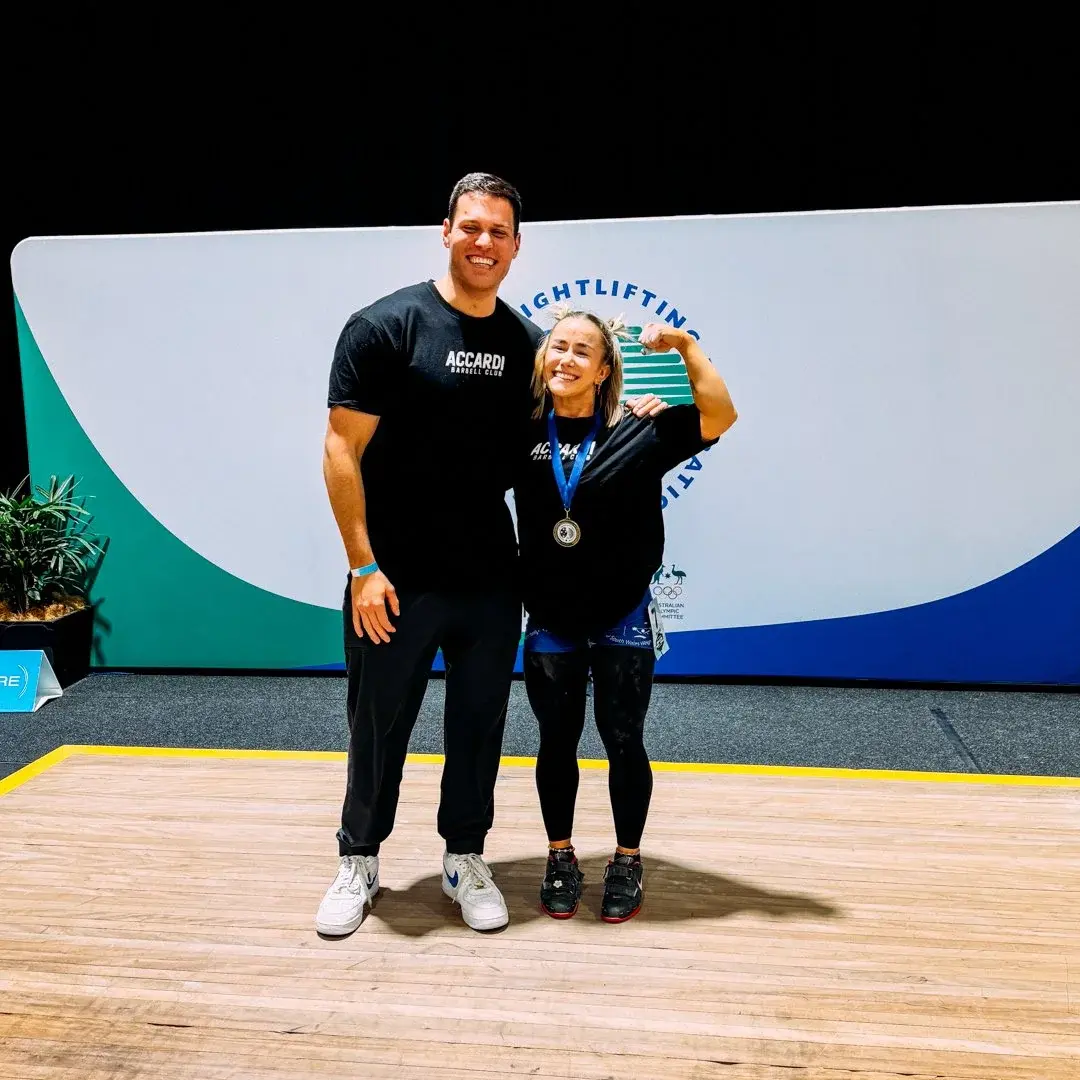
Related Articles
Explore articles on similar themes and topics

Keiser vs. Traditional Weights: The Science-backed Benefits of Keiser's Pneumatic Resistance Technology
Keiser resistance equipment stands out for many reasons, like easy-to-read displays, user-friendly controls, performance-driven data, and smooth, variable resistance. Some users simply like the fact that there aren’t weights banging around. However, the most distinguishing factor lies at the core of Keiser's design: its utilization of pneumatic resistance technology, a scientifically-validated alternative to traditional mass-based weights. This unique feature has underlying scientific-based qualities that benefit everyone from athletes to older adults.
How Load-Velocity Profiling Can Optimize Strength and Power Training
Testing a one-repetition maximum (1RM) is a staple in strength training, offering a direct measure of maximal force. But this approach comes with risks. Fatigue, lingering soreness, or poor recovery can affect performance, increasing the chance of injury. Despite these factors, many lifters feel compelled to max out because their program demands it. But is it the best way to assess strength? What if a method existed that provided deeper insights into performance while reducing risk?