7 min read
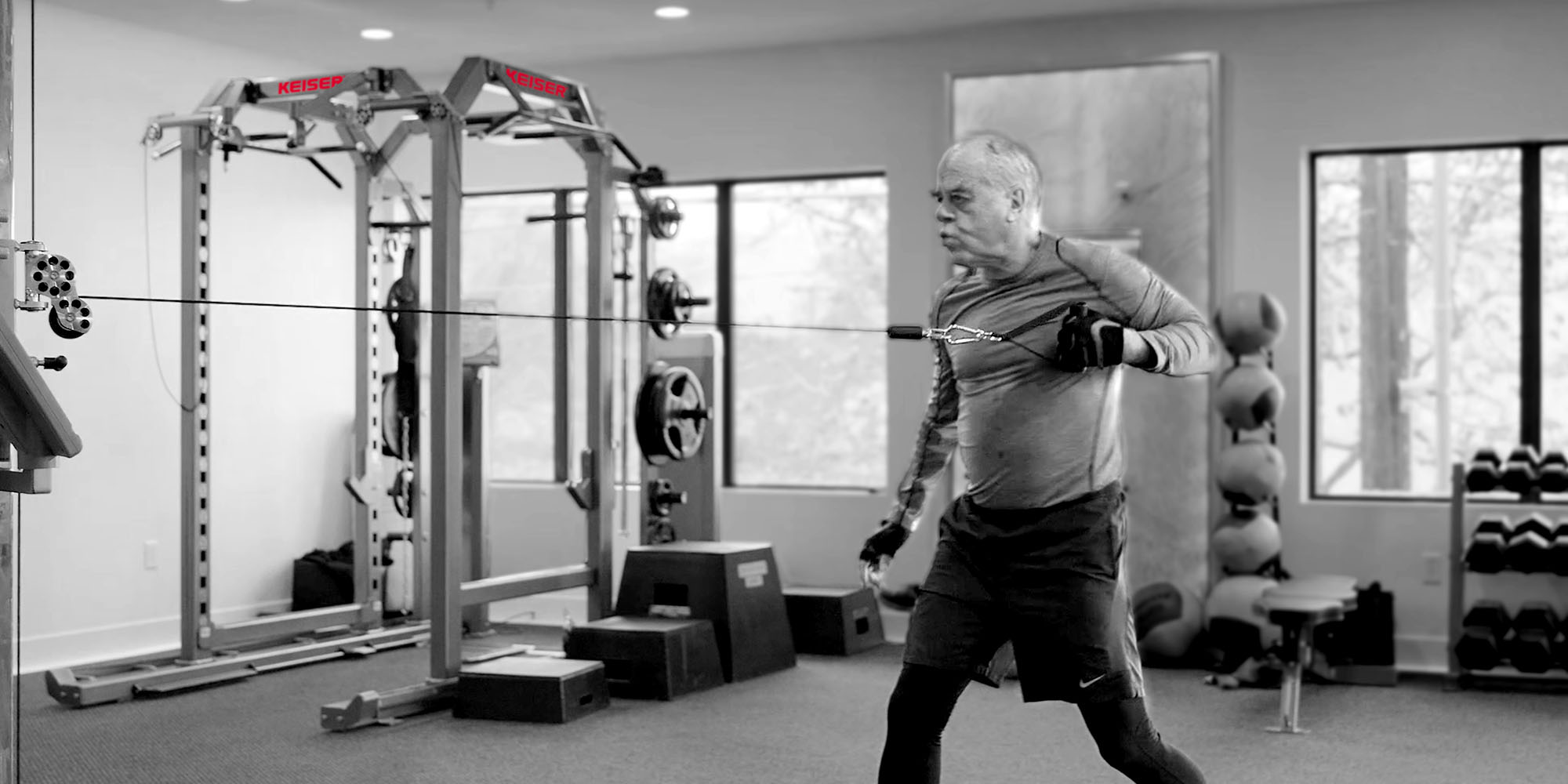

Addressing the Question
One of the best parts of producing educational content is hearing directly from coaches, trainers, therapists, and wellness professionals working with people every day. Recently, we received a question from a reader working in a 55+ community center about shoulder exercises for seniors after rotator cuff surgery. They asked a simple but important question:
What shoulder exercises can older adults do beyond basic internal and external rotations after rotator cuff surgery?
What Should We Cover Next?
Have a training question? Share it with our Education Team and help shape future resources.
ASK OUR EDUCATION TEAM
Many older adults over 55 have either experienced shoulder pain, undergone rotator cuff surgery, or simply noticed that overhead movement, reaching, carrying, and lifting have become more difficult with age. While traditional rehabilitation exercises like internal and external rotations are valuable early in the recovery process, they are only part of the picture. Eventually, the shoulder needs to return to the demands of real life.
Reaching into cabinets. Pulling open heavy doors. Carrying groceries. Stabilizing during balance challenges. Lifting luggage. Catching yourself during a stumble. These activities require far more than isolated rotator cuff strength.
The question also reflects a challenge many professionals face when working with older adults. Once someone progresses beyond early-stage rotator cuff rehab, where do they go next? How do we safely rebuild shoulder strength, restore confidence in overhead movement, and improve the ability to push, pull, carry, and reach during everyday life? More importantly, how do we accomplish that in a way that feels approachable and successful for adults who may also be managing pain, mobility limitations, balance deficits, or fear of re-injury?
The answer often lies in moving beyond isolated exercises and toward integrated upper-body training. The Keiser Functional Trainer (FT) and Performance Trainer (PT) provide an ideal environment for this transition, allowing older adults to train real-world movement patterns with smooth resistance, controlled loading, and highly adaptable exercise setups. In this article, we’ll explore how FT/PT upper-body training can help support shoulder health, post-rehabilitation strength, posture, balance, and long-term functional independence.
For adults recovering from shoulder injury, or simply trying to maintain long-term function, FT/PT training helps bridge the gap between rehabilitation and daily life. These concepts can apply to everyone – after all, we are all aging!
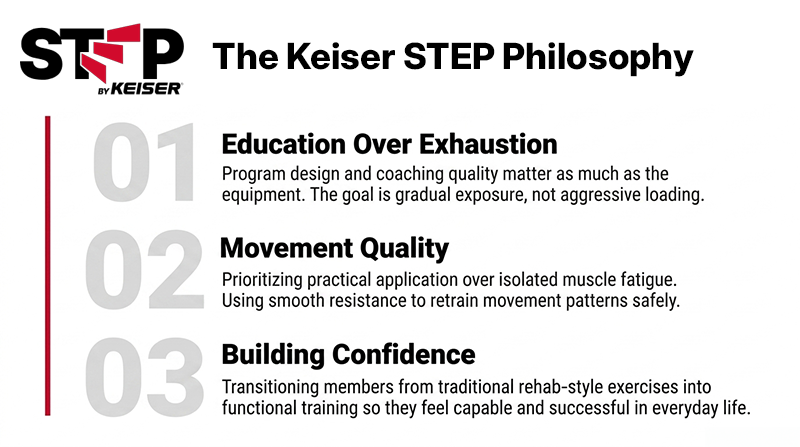
The Keiser STEP Philosophy
One of the biggest challenges when working with adults 55+ is not simply choosing the right exercises. It is creating an environment where people feel confident, capable, and successful.
That idea is central to the Keiser STEP system, which helps coaches and wellness professionals move beyond isolated exercises and apply Keiser equipment through progressive, functional training. For active aging populations, the goal is not exhaustion — it is better movement, confidence, and long-term independence.
Why Cable Training Works So Well for Adults 55+
Many older adults are not limited by strength alone. They are limited by confidence, coordination, balance, pain avoidance, and fear of reinjury. Traditional free weights can sometimes feel intimidating or uncomfortable after surgery. Cables offer a different experience.
The FT/PT allows users to:
-
Adjust resistance in very small increments
-
Train in standing, seated, split-stance, or supported positions
-
Work through natural movement paths
-
Train multi-planar movement safely
-
Improve posture, balance, and coordination while strengthening the upper body
-
Progress gradually from rehab-focused movement to functional strength training
The smooth feel of Keiser's Pure Resistance Technology™ is especially helpful for older adults because it reduces impact and abrupt loading while still allowing meaningful strength and power development. This matters because research consistently shows that adults over 55 benefit tremendously from resistance training, especially when programs include:
-
Functional movement patterns
-
Balance and coordination work
-
Multi-planar movement
-
Moderate-load strength training
-
Controlled power development
-
Consistent exposure to integrated movement
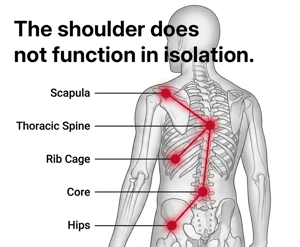
The shoulder does not function in isolation. The rib cage, thoracic spine, core, hips, and shoulder blade all contribute to healthy upper-body movement. That is why functional cable training is often more valuable long-term than endlessly isolating the rotator cuff.
The Goal Is Not Just Shoulder Strength
For many older adults, the real goal is maintaining independence.
Upper-body training should help support:
-
Reaching overhead
-
Carrying objects
-
Pulling and pushing
-
Balance recovery
-
Posture
-
Getting up from the floor or a chair
-
Confidence during daily movement
The most effective FT/PT programs combine shoulder-specific work with integrated full-body movement.
Best Upper-Body and Shoulder Exercises for Older Adults on the FT/PT
View videos of these movements in Keiser's Exercise Library:
1. Cable Row
One of the most valuable upper-body exercises for older adults. Instead of pulling only with the arms, users should focus on initiating the movement through the shoulder blade. This can be felt best in a bilateral (both arms) movement by trying to squeeze your shoulder blades together like you’re holding a pencil between them.
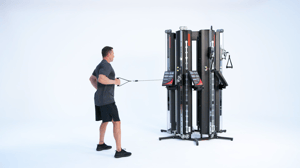
One Arm Standing Row
Benefits include:
-
Scapular control
-
Postural strength
-
Mid-back musculature
-
Core stability
-
Balance integration
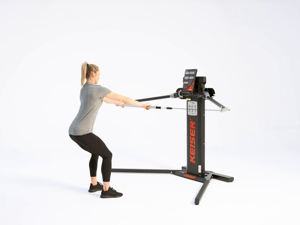
Standing Row
Progressions include:
-
Standing Row (bilateral)
-
One Arm Standing Row
-
Split-Stance One Arm Row
-
Contralateral Row with March
Why it matters:
Rows help counteract the forward-rounded posture many older adults develop with aging and inactivity while improving pulling strength needed for everyday tasks.
2. Standing Cable Chest Press
The standing cable chest press is often more functional than a seated machine press for older adults because it integrates the entire body during movement. This movement is performed much like a bench press, pushing the bar or handles away from your body while keeping the elbows in tight.
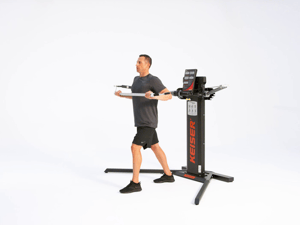
Standing Chest Press
Benefits include:
-
Core control
-
Balance
-
Shoulder stability
-
Force transfer through the body
For post-rotator cuff rehab, a neutral grip and scapular-plane pressing angle are often more comfortable than aggressive overhead pressing. The split-stance chest press is especially valuable because it reinforces trunk control while improving shoulder stability.
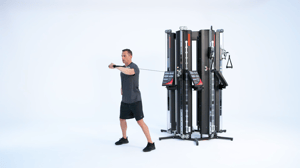
One Arm Standing Chest Press
Common mistakes include:
-
Shrugging during the press
-
Excessive low-back arching
-
Pressing too quickly
Helpful modifications include:
-
Reduced range of motion
-
Lighter loads
-
Seated positioning initially
-
Bilateral handles before unilateral work
Why it matters:
The standing chest press trains pushing strength in a way that better reflects everyday movement while simultaneously improving stability and coordination.
3. Face Pull to External Rotation
This is one of the best exercises for improving posture and posterior shoulder function. During the face pull, bring the rope or bar towards your face while driving your elbows backwards.
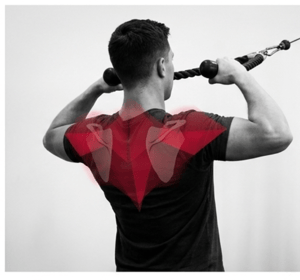
Face Pull with External Rotation
Pull the rope toward the face while keeping the elbows high, then rotate the hands back beside the head without shrugging or arching.
Benefits include:
-
Posterior rotator cuff strength
-
Mid and lower trapezius activation
-
Rear deltoid strength
-
Scapular stabilization
-
Improved shoulder positioning
Why it matters:
This exercise often provides more long-term shoulder health benefits than endless isolated band rotations because it integrates posture, scapular movement, and cuff function together.
4. Low-to-High Cable Lift
The low-to-high diagonal lift mimics many real-world reaching patterns and helps rebuild confidence with overhead movement.
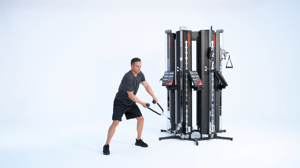
Cable Lift
Benefits include:
-
Controlled overhead movement
-
Trunk rotation
-
Cross-body coordination
-
Functional reaching ability
For older adults hesitant to raise the arm after surgery, diagonal lifting patterns often feel more natural and less intimidating than strict vertical pressing.
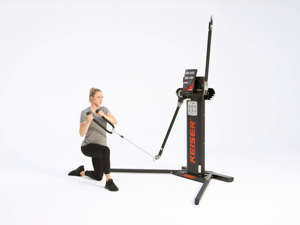
Half Kneeling Cable Lift
Progressions include:
-
Supported reaching patterns
-
Incline pressing
-
Scaption pressing
-
Low-to-high lifts
-
Half-kneeling overhead press
-
Dynamic overhead movement
Why it matters:
This movement helps bridge the gap between rehabilitation exercises and real-world reaching tasks used during daily life.
5. Pallof Press (Anti-Rotation Press)
The Pallof press is one of the best examples of how upper-body training can improve balance and stability.
While it appears to be a core exercise, it teaches the body to stabilize during upper-body movement.
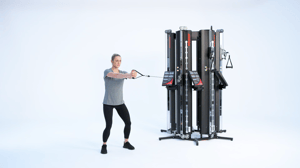
Pallof Press
Benefits include:
-
Anti-rotation control
-
Core stability
-
Shoulder centration
-
Trunk stiffness
-
Balance integration
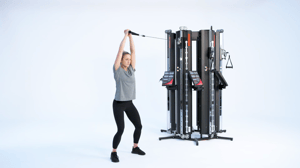
Pallof Overhead Hold
Progressions include:
-
Standing Pallof Press
-
Split-Stance Pallof Press
-
Pallof Press (with Lateral Step)
-
Pallof Overhead Hold (with Marching)
Why it matters:
This movement is especially valuable for older adults concerned about balance, posture, and fall prevention.
6. Scaption Press
The scaption press is performed approximately 30 degrees forward from the frontal plane using a neutral grip.
This position is often more comfortable for adults with shoulder history because it places the shoulder in a more natural and supraspinatus-friendly position.
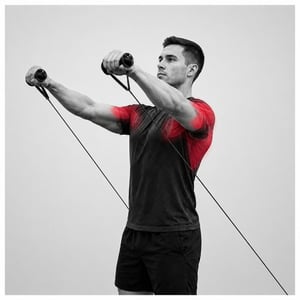
Scaption Press
Benefits include:
Improved scapulohumeral rhythm
Safer overhead pressing mechanics
Functional reaching carryover
Shoulder confidence development
Why it matters:
For many older adults, the scaption press is a more sustainable long-term pressing option than traditional upright pressing.
7. Serratus Punches and Reaches
One of the most overlooked muscles in shoulder health is the serratus anterior.
Poor serratus function often contributes to:
-
Shoulder instability
-
Poor scapular motion
-
Overactive upper trapezius involvement
-
Difficulty reaching overhead
Cable punches and supported reaches are excellent for retraining smooth shoulder blade movement. Wall-supported cable reaches are especially useful for deconditioned adults or early-stage return-to-training clients.
Why it matters:
Improving serratus function helps restore healthy shoulder blade mechanics, which are critical for long-term shoulder comfort and overhead movement.
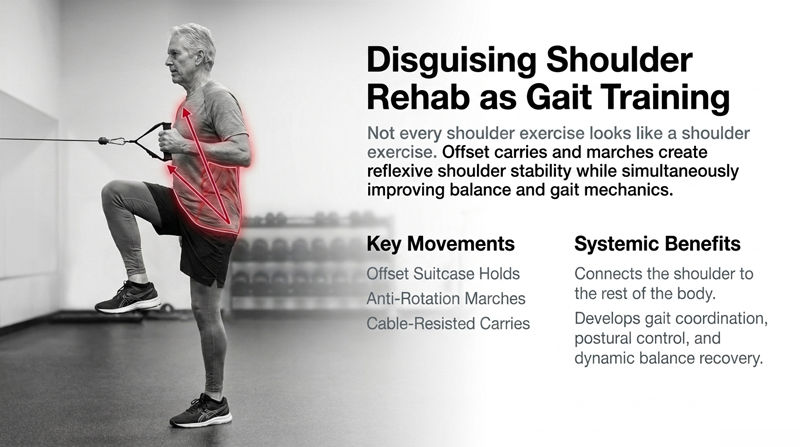
8. Carries, Holds, and Marches
Not every shoulder exercise needs to look like a traditional shoulder exercise.
Offset carries, anti-rotation holds, and marching patterns create reflexive shoulder stability while simultaneously improving balance and gait mechanics.
Examples include:
-
Offset Suitcase Holds
-
Marching Anti-Rotation Holds
-
Belt-Assisted Marches
-
Cable-Resisted Carries
-
Benefits include:
-
Shoulder stability
-
Core integration
-
Balance development
-
Gait coordination
-
Postural control
Why it matters:
These exercises help connect the shoulder to the rest of the body and can have tremendous carryover into everyday movement and independence for older adults.
Programming Recommendations for Older Adults 55+
One of the biggest misconceptions about older adults is that they only need light, high-repetition exercise. In reality, many adults over 55 benefit greatly from appropriately dosed strength and power training. The key is smart progression.
General Programming Guidelines
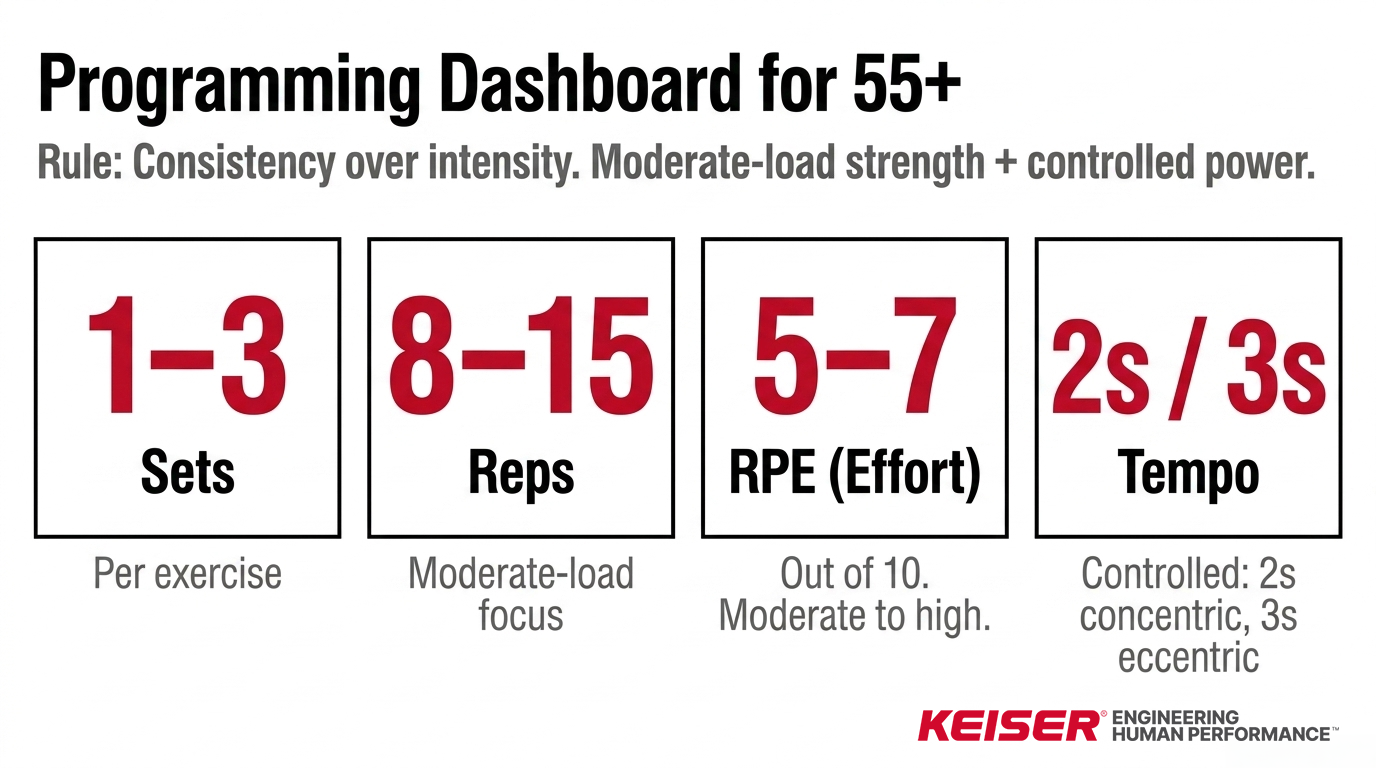
For most older adults:
-
1–3 sets per exercise
-
8–15 repetitions
-
RPE around 5–7 (out of 10; moderate to high effort level)
-
Controlled tempo
-
Longer rest intervals
-
Consistency over intensity
Many coaches find success using:
-
2-second concentric
-
2–3-second eccentric
Especially early after rehabilitation.
Example Upper-Body FT/PT Session
Warm-Up
- Thoracic mobility
- Scapular circles
- Band pull-aparts
Primary Strength Work
- Split-Stance Cable Row
- Standing Cable Chest Press
- Pallof Press
- Low-to-High Cable Lift
Integrated Balance Work
- Marching Anti-Rotation Holds
- Step-and-Reach Patterns
Optional Accessory Work
- Face Pulls
- Serratus Reaches
- Biceps/Triceps Work
Conditioning or Coordination Finisher
- Light continuous movement circuit
- Standing cable movement flow
Progressions and Regressions Matter
Older adults are highly individual. Some clients are highly capable and active. Others are fearful, deconditioned, or limited by pain. The FT/PT makes regression and progression simple.
Helpful Regressions
-
Seated exercises
-
Supported stance positions
-
Reduced range of motion
-
Bilateral handles
-
Isometrics
-
Slower tempos
- Lower cable angles
Functional Progressions
Phase 1 — Confidence and Control
- Supported
- Bilateral
- Low load
- Slow tempo
Phase 2 — Functional Strength
- Standing positions
- Split stance
- Larger range of motion
Phase 3 — Integrated Movement
- Rotational patterns
- Alternating movements
- Step-and-reach drills
Phase 4 — Power and Resilience
- Faster concentric intent
- Dynamic movement
- Multi-directional patterns
Important Safety Considerations
Following rotator cuff surgery, certain movements may need to be temporarily limited depending on healing stage and physician recommendations.
Commonly limited movements may include:
-
Aggressive overhead loading
-
Heavy upright rows
-
Behind-the-neck pressing
-
High-speed eccentric loading
-
Sudden traction forces
-
End-range abduction with external rotation
Always defer to surgeon and physical therapy guidelines.
Helpful modifications often include:
-
Neutral grips
-
Reduced range of motion
-
Lower resistance
-
Seated positioning
-
Scapular-plane movement
-
Bilateral loading before unilateral work
The goal is gradual exposure, not aggressive progression.
The Bigger Picture: Building Confidence and Function
Perhaps the biggest benefit of FT/PT training for adults over 55 is building confidence.
Many older adults become hesitant to move after shoulder pain or surgery. They avoid reaching, lifting, or loading the arm because they fear reinjury. Thoughtful cable training helps restore trust in movement. And when older adults regain confidence in movement, they often regain independence, activity, and quality of life. That is why upper-body training for older adults should not stop at internal and external rotations.
The goal is not only rehabbing a shoulder but to help people continue doing the things they love for as long as possible.
Explore More FT/PT Exercise Ideas
For additional exercise demonstrations and programming ideas, explore the FT/PT exercise libraries:
These libraries contain a wide range of upper-body, shoulder, balance, and integrated movement options that can be modified for active aging populations and post-rehabilitation programming.
What Should We Cover Next?
Have a training question? Share it with our Education Team and help shape future resources.
ASK OUR EDUCATION TEAM
Subscribe to Keiser's FREE publications
Receive tips, articles, and tools to improve human performance via email.